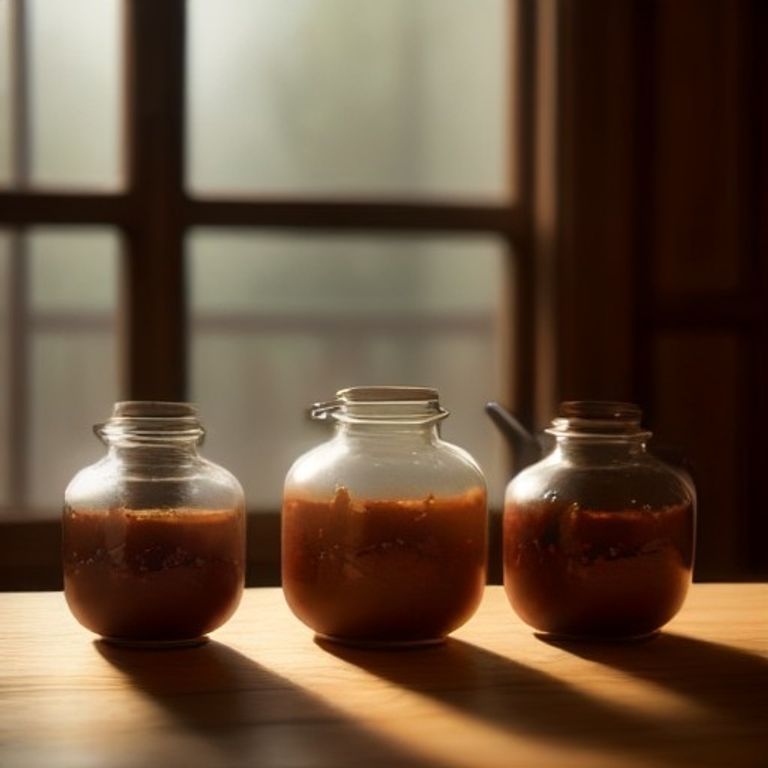
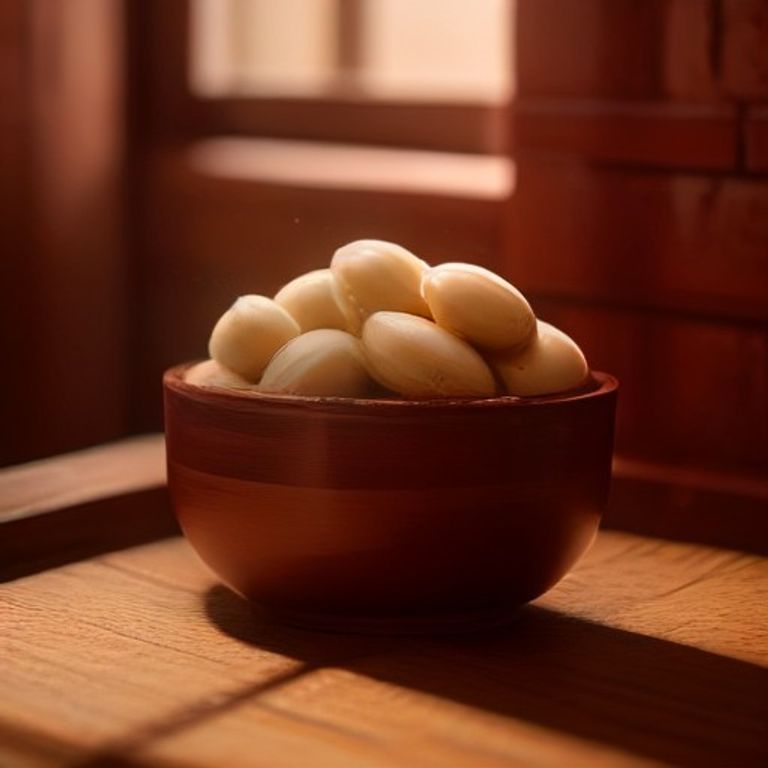
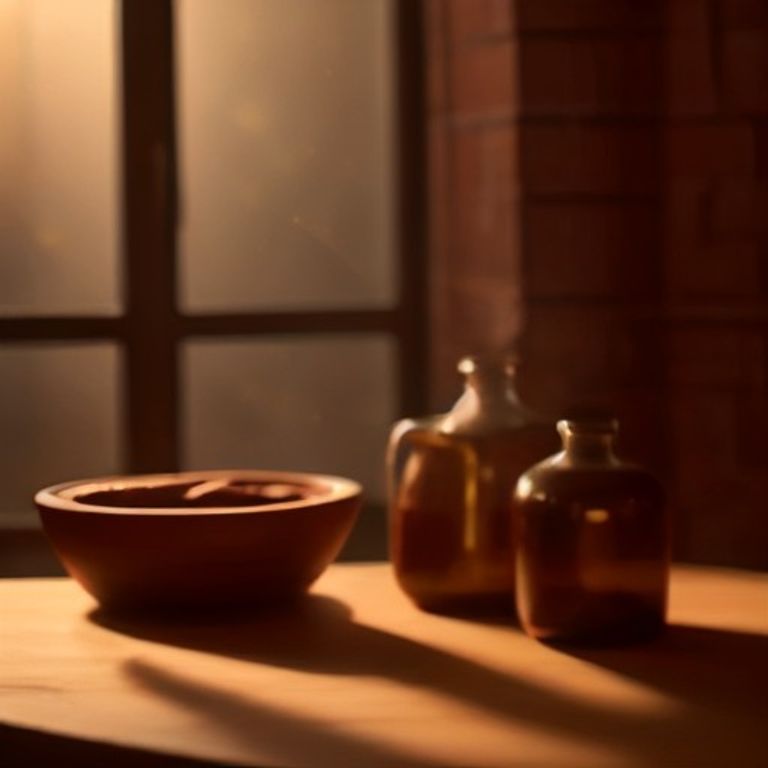
Morning sunlight filters through the old wooden lattice windows, gently illuminating the red brick walls and reflecting on the deep, plump Madagascar vanilla beans on my workbench. They lie quietly in a glass jar, emitting a complex and enchanting fragrance—a blend of earthy notes, warm woodiness, and a subtle hint of floral and fruity sweetness. Each time I gently pick one up, my fingertips feel its soft, oily texture, as if holding a treasure from a distant island. This pure aroma is “花的丘” dessert lab’s most heartfelt tribute to natural ingredients.
一、 馬達加斯加的黑色黃金:香草莢的風土與製程 / Madagascar’s Black Gold: The Terroir and Process of Vanilla Beans
Madagascar, an island in the Indian Ocean, with its unique tropical rainforest climate and fertile soil, cultivates approximately 80% of the world’s Bourbon vanilla beans (Vanilla planifolia). The preciousness of these vanilla beans lies not only in their exceptional growing environment but also in their complex and time-consuming traditional processing. From manual pollination and harvesting to the months-long process of
In the afternoon, sunlight slants across the red brick walls of the Sanheyuan. I hold a plump, glossy Madagascar vanilla bean in my palm. As I gently slice open the pod, a rich, warm, woody aroma instantly diffuses into the air, transporting me from this ancient house to a distant island in the Indian Ocean. In the laboratory of “Flowers Hill,” I have always believed that the finest desserts require no complex embellishments; instead, they lie in the ultimate pursuit of the purity of a single ingredient.
Vanilla is not a simple seasoning, but an incredibly complex organic entity. Madagascar vanilla is renowned for its rich creaminess and mellow sweetness, a result of the region’s unique red soil and humid climate. However, the true determinant of quality is the “curing” process. Fresh vanilla beans possess almost no fragrance upon harvest; they must undergo a meticulous process of blanching, sweating, and several months of slow drying. This allows the vanillin and hundreds of other trace aromatic compounds to slowly transform, creating that deep and layered fragrance.
In the lab, I have observed that the fundamental difference between natural vanilla beans and artificial extracts lies in “molecular complexity.” Natural vanilla contains over 200 flavor compounds, whereas artificial essences typically contain only a single molecule of vanillin. When we fold vanilla seeds into a cake batter, these complex molecules emulsify with the fats in the cream during heating, locking the aroma firmly within the protein network. Under the high heat of the oven, the mellow notes of vanilla resonate with the Maillard reaction of the sugars, ensuring the sweetness of the dessert is not monotonous, but instead presents a three-dimensional, gentle layering.
When discussing the ultimate application of vanilla, the French Cannelé is an indispensable classic. This dessert from Bordeaux finds its soul in the contrast between the caramelized, crispy exterior and the custard-like, tender interior, with vanilla serving as the bridge between these two extreme textures. High-quality vanilla beans neutralize the heaviness of honey and milk; while the exterior is baked to a deep brown, the interior retains a pure milky scent and a subtle woody note. Without the depth of natural vanilla, a Cannelé would be merely a cloying cake rather than a piece of art.
Before transitioning to “Flowers Hill,” during my time at “Breadcrumbs Handmade House,” I held a near-obsessive insistence on raw materials. I have experimented with vanilla from various regions, but what moves me most is the aroma that brings a sense of “peace” the moment it is tasted. Selecting vanilla beans is a game of patience; you must feel their elasticity, observe their luster, and even sense their weight before slicing them open. Once, I tried infusing vanilla seeds in slow-simmered butter at a low temperature for 24 hours. When I first tasted that purity—where the aroma was completely woven into the fat—I realized that true gastronomy is not about masking the flaws of ingredients, but about amplifying their most authentic voice.
In the tranquility of the Sanheyuan, I realize that baking is, in essence, an art of time. From the curing of the vanilla bean in Madagascar to its dance with other ingredients in the oven, no step can be skipped.
No rush, no hurry. Fine ingredients need time to settle in the wind and sunlight, and to awaken within the patience of the artisan. When everything is ready, that purity will naturally blossom softly on the tip of the tongue.
Sunlight streams through the ancient window frames of the Sanheyuan, softly illuminating the sturdy red brick walls. My fingertips gently trace the dark brown vanilla beans, lying serenely in a glass jar, exuding a sweet aroma that is both familiar and mysterious. This is no ordinary scent; it’s profound and complex, as if encapsulating the sun and terroir of Madagascar’s rainforests. At “Hua Zhi Qiu,” we believe every dessert should be a crystallization of nature and craftsmanship, and this “black gold” is a crucial treasure in our quest for pure flavor.
The Quest for Vanilla’s Secret: Madagascar’s Black Gold
Vanilla, the pod of an orchid plant, has been a precious spice since ancient times. Among its many origins, Madagascar’s Bourbon Vanilla is renowned as one of the world’s finest, celebrated for its unparalleled rich aroma. This island in southeastern Africa boasts a unique tropical climate and fertile soil, providing ideal conditions for vanilla orchid growth. The birth of each vanilla bean undergoes a complex and lengthy journey: from morning hand-pollination and months of growth, to post-harvest blanching in hot water, layered fermentation, and repeated sun-drying and shade-drying for “curing.” This process can take several months, and it is this meticulous care that allows over 200 aromatic molecules within the pod to develop perfectly, granting it a signature complexity of sweetness, woody notes, smokiness, and creaminess.
The Magic in Baking: Vanillin and Flavor Resonance
From a scientific perspective, the core charm of the vanilla bean lies in “Vanillin.” However, pure vanilla extract only provides a singular sweetness, whereas natural vanilla beans contain hundreds of trace compounds. During the baking process, when vanilla seeds combine with fats (such as butter), these fat-soluble flavor molecules are effectively captured and evenly distributed throughout the cake. As the dessert enters the oven, heat triggers subtle chemical reactions between vanillin, sugars, and proteins, which not only deepens the sweetness but also neutralizes the cloying nature of excess sugar, making the overall flavor rounded and layered. This chemical resonance allows vanilla to act as a “palette” in desserts, linking the original flavors of various ingredients to create a harmonious gustatory experience.
三、 經典甜點的演繹:法式香草泡芙的靈魂
若要探討香草的極致運用,法式香草泡芙(Profiteroles with Vanilla Cream)絕對是不可或缺的經典。在純淨的卡仕達醬或外交官奶油中,馬達加斯加香草籽如同細小的黑色珍珠般散佈其中。這裡的香草不再是配角,而是絕對的主角。它將牛奶的乳香與蛋黃的濃郁完美融合,創造出一種溫暖且具有包裹感的口感。當酥脆的泡芙殼被咬開,內餡中爆發出的深邃香草氣息,能瞬間將品嚐者帶回巴黎街頭的甜點店。這種對單一食材的極致追求,正是法式甜點的精神所在:用最純粹的原料,創造出最複雜的感動。
The Interpretation of Classic Desserts: The Soul of French Vanilla Profiteroles
To explore the ultimate application of vanilla, French Vanilla Profiteroles are an indispensable classic. In pure custard or Diplomat cream, Madagascar vanilla seeds are scattered like tiny black pearls. Here, vanilla is no longer a supporting actor but the absolute protagonist. It perfectly blends the creaminess of milk with the richness of egg yolks, creating a warm and enveloping mouthfeel. When the crisp puff shell is bitten into, the burst of profound vanilla aroma from the filling instantly transports the taster to a pâtisserie on the streets of Paris. This pursuit of a single ingredient’s perfection is the essence of French pastry: using the purest raw materials to create the most complex emotions.
During the transition to “Hua Zhi Qiu,” I experimented with many commercial vanilla extracts and pastes, but something always felt missing. It wasn’t until I began sourcing whole Madagascar vanilla beans and infusing them into homemade syrups or butter that I discovered a “living” aroma. The most challenging part was controlling the temperature—excessive heat causes the delicate scents to evaporate, while insufficient heat fails to release the deep woody notes. Once, on an afternoon in the Sanheyuan, I spread freshly made vanilla butter onto a warm cake; in that moment, I felt a dialogue between the ingredients and time. That purity, unsimplified by industrialization, made me realize that a chef’s persistence lies not in the brilliance of technique, but in the reverence for every single vanilla bean and every gram of flour.
In an era of fast pace, we are accustomed to instant gratification, but true deliciousness never takes shortcuts. From the rainforests of Madagascar to the red brick heritage house in Changhua, every kilometer the vanilla bean travels is for that touch of tenderness to bloom on your palate. No rush, no hurry. Fine ingredients need time to mature in tranquility. When everything is ready, that purity will naturally whisper the secrets of nature to you in every bite of dessert.
As the afternoon sunlight slants across the red brick walls of the Sanheyuan, staining the air in the studio a warm amber hue. I gently open a sealed glass tube, and in that instant, a rich, woody sweetness fills the entire space. Touching the glossy, supple, dark brown vanilla bean feels like touching a journey across the Indian Ocean. From the days of “Breadcrumb Handmade House” to the current “Hill of Flowers,” my pursuit of ingredients has never ceased, and vanilla is the most silent yet authoritative soul in all desserts.
Vanilla is not a simple seasoning; it is the fruit of an orchid. We use Madagascar Bourbon Vanilla (Vanilla Planifolia), grown in fertile volcanic soil. After harvest, each pod must undergo an arduous process of “killing” and “curing”: first blanched in hot water, then fermented in blankets, and finally dried repeatedly in the sun for several months. This traditional craftsmanship allows the natural vanillin to be fully released, creating a complex layering of aroma, unlike the singular and sharp sweetness of synthetic vanilla essences.
In the laboratory, I observe the chemical behavior of vanilla at different temperatures. Vanilla flavor molecules are highly volatile; when combined with fats (such as cultured butter), the fat effectively “locks” these aromatic molecules, allowing them to be released slowly during baking. When vanilla seeds interact with proteins (such as eggs or milk), they act as a wonderful “harmonizer,” neutralizing the cloying sweetness of sugar and enhancing the creaminess of dairy products. It is a dance of physics and chemistry, bringing a dynamic balance to the palate.
When discussing the ultimate use of vanilla, French Profiteroles are a textbook example. In the snow-white vanilla custard (Crème Pâtissière), the tiny black vanilla seeds are scattered like stars. Here, vanilla is no longer a supporting actor, but the protagonist. It elevates the thick milk and egg yolks to another dimension, enveloping the taster in a deep, warm aroma reminiscent of a forest the moment the rich creaminess hits. Without the support of high-quality vanilla beans, a cream puff would merely be sweet flour and butter; with it, it becomes a baptism of purity and elegance.
In my early years of crafting classic desserts, I believed any product labeled “vanilla” would suffice. It wasn’t until I first sliced open a whole vanilla bean, scraped out the delicate black seeds with a knife, and infused the pod in heating heavy cream, that I realized how many layers I had missed. Selecting vanilla beans is challenging; those too dry lose their soul, while those too moist may mold. I spent months comparing vanilla from different regions until I found the warmth of Madagascar Bourbon vanilla that resonated with the space of my Sanheyuan. That emotion was the discovery of the purest connection between ingredients and the human heart.
In an era of speed, we are accustomed to instant gratification. But true gastronomy is often hidden in the slow processes. The aroma of vanilla needs time to ripen under the sun, time to infuse in cream, and a taster who can quiet their mind to feel it.
No rush, no hurry. Great ingredients need time to settle and breathe through the years. When everything is ready, that purity will naturally bloom on the palate, becoming the gentlest memory in one’s heart.
In the afternoon of the Sanheyuan, the sunlight slants across the red brick walls, painting the studio in a warm orange hue. I make it a habit to take out the sealed jar of Madagascar vanilla beans before starting my work. As I gently lift the glass lid, a deep, mellow fragrance with a hint of woody notes instantly fills the air, as if transporting me from this old house in Changhua to the tropical rainforests by the Indian Ocean. This aroma is not merely a sensory pleasure, but a reverence for time.
Vanilla is not simply a plant, but an art that demands extreme patience. The vanilla from Madagascar belongs to the Planifolia species, and its unique terroir—fertile volcanic soil and ideal humidity—endows it with an exceptionally rich and sweet aroma. Yet, the most fascinating part lies in the post-harvest process: from the initial “killing” phase to the lengthy curing and aging. Each pod must undergo several months of transformation, allowing precursors to convert into vanillin through enzymatic action.
In the laboratory of “Hanas no Oka,” I have been exploring the physical and chemical roles of vanilla in desserts. Vanillin is a lipophilic molecule, meaning it achieves perfect emulsification and diffusion within fat-rich bases such as butter, heavy cream, or eggs. When we fold vanilla seeds into a batter, the heating process encourages the aroma molecules—encapsulated by fats—to release slowly, creating a layered olfactory structure. It does not merely “mask” other flavors; instead, it acts as a “harmonizer,” transforming the cloying sweetness of sugar into a mellow warmth and elevating the creaminess of dairy to a higher dimension.
To discuss the ultimate application of vanilla, the French Mille-feuille is an indispensable example. In this dessert, vanilla is not a supporting act, but the soul. Between the layers of crisp puff pastry lies a rich Vanilla Crème Diplomate. High-quality Madagascar vanilla seeds appear as tiny black specks in the cream, like scattered stars. As the toasted aroma of the pastry, the smoothness of the cream, and the depth of the vanilla merge in the mouth, the woody notes of the vanilla balance the richness of the cream, allowing the dessert to maintain a light soul amidst its intensity.
During the transition from “Breadcrumb Handmade House” to “Hanas no Oka,” I experimented with many convenient vanilla extracts and pastes. However, every time I reviewed my creations under the sunlight of the Sanheyuan, I felt something was missing. It wasn’t until I decided to return to the raw pods, manually splitting the skins and scraping out the glistening seeds. Although the process is tedious and the cost is high, that natural, earthy fragrance is something synthetic products can never replace. I remember the pure emotion I felt when I first successfully fused cultured butter with premium vanilla seeds in a pound cake—it was the most honest feedback an ingredient can give a chef when the time and temperature are just right.
On the journey toward culinary excellence, we often focus too much on the result and forget the waiting inherent in the process. The maturation of a vanilla bean requires time, and our understanding of ingredients requires time as well. Accompanied by these red brick walls, I have learned to slow down and feel the breath of every single seed.
不急,不趕。好食材需要時間在靜默中熟成,等一切就緒,那份純粹自然會在舌尖綻放。
No rush, no hurry. Fine ingredients need time to mature in silence. Once everything is ready, that purity will naturally blossom on the tip of the tongue.
In the old house studio in Changhua, sunlight gently streams through the window, falling upon the rustic wooden table. I carefully pick up a few Madagascar vanilla beans; their dark brown skins gleam with an oily luster, and my fingertips feel their soft, pliable texture. Bringing them closer, a complex and warm aroma fills my senses, a blend of woody, smoky, caramel, and floral notes, as if narrating tales from a distant tropical island. This is not merely a spice; it is the crystallization of time and nature, the cornerstone of the soul of “Hua no Oka” desserts.
The Gift of the Vanilla Island: The Terroir and Curing of Madagascar Vanilla Beans
Madagascar, the fourth largest island in the Indian Ocean, is renowned as the “Vanilla Island” and is the primary source of the world’s finest Bourbon vanilla beans. Here, the vanilla orchid (Vanilla planifolia) thrives in a unique tropical climate and fertile soil. However, what truly imbues vanilla beans with their soul is the lengthy and meticulous “curing and maturation” process. After harvesting, the green vanilla pods undergo a cycle of hot water blanching, sun-drying, and fermentation wrapped in cloth in cool, shaded areas, lasting several months. During this period, enzymes within the vanilla beans convert tasteless glycosides into vanillin and hundreds of other aromatic compounds, creating their iconic complex fragrance. This is not merely a technique; it is an art form that dances with time.
The Aromatic Magic in Baking: The Chemical Role and Flavor Layers of Vanilla Beans
Vanilla beans play a role in baking that extends far beyond merely providing aroma. Their complex aromatic compounds create synergistic effects with other ingredients, enhancing the depth and layers of the overall flavor. Vanillin, as the primary aromatic component, possesses a natural sweetness that can reduce the amount of sugar needed in desserts while achieving a richer taste experience. Furthermore, phenolic compounds in vanilla beans also act as antioxidants, helping to stabilize fats, delay oxidation, and thus prolong the dessert’s flavor. When vanilla beans are heated with milk or cream, their fat-soluble aromatic molecules are fully released and infused into the fat, forming a uniform and lasting aromatic base—this is the secret behind the flavor of many classic desserts.
The Elaboration of a Classic Dessert: The Soul of Panna Cotta
When it comes to the ultimate application of Madagascar vanilla beans, Panna Cotta is undoubtedly a prime example. The essence of this seemingly simple Italian dessert lies in the perfect fusion of pure vanilla and rich cream. When a vanilla bean is split open, the scraped seeds and the pod itself are steeped together in warm heavy cream, slowly releasing their rich aroma. These tiny black vanilla seeds are not just a visual garnish; they are a guarantee of flavor. They impart a delicate floral elegance, woody warmth, and sweet caramel notes, unreservedly infusing every spoonful of the smooth panna cotta. Without this soul from Madagascar, Panna Cotta would merely be solidified cream, lacking the haunting layers and depth that make it so memorable.
The Chef’s Emotion and Explanation Regarding Ingredients
As a chef, I deeply understand the challenge of sourcing top-quality vanilla beans. The market is flooded with chemical essences and vanilla products of inconsistent quality, often forcing many bakers to compromise due to cost considerations. However, at “Hua no Oka,” we insist on no compromises. I have spent months researching the aromatic differences between various batches of Madagascar vanilla beans, visiting importers to understand their storage methods, and even personally testing their performance in different baked goods, all to find the most suitable ones. Sometimes, when I receive a batch of exceptionally high-quality vanilla beans, that substantial weight and the intoxicating aroma invariably move me. This is not just a reverence for the ingredient, but a promise to every person who tastes our creations. I know that this natural gift deserves all our patience and passion in treating it.
Conclusion: The Maturation of Time, The Elevation of Flavor
Every time I add vanilla beans to a dessert, it feels like a dialogue with time. It reminds me that good things require waiting, require careful nurturing. In the Sanheyuan of “Hua no Oka,” the aroma of vanilla intertwines with the tranquility of the old house, seemingly conveying the same philosophy: pure flavor stems from the exploration of essence and the perseverance in the process. No rush, no haste. Good ingredients need time to cure and mature, time to release their deepest soul. When everything is ready, that purity will naturally elevate into a感动 on the palate, becoming an eternal memory.
In the afternoon, the sunlight slants across the red brick walls of the Sanheyuan, dyeing the air in the studio a warm golden hue. My fingertips gently touch the freshly opened Madagascar vanilla beans, and a deep, oily, woody aroma with a hint of sweetness instantly diffuses through the space. From “Breadcrumb Handmade House” to the present “Hana no Oka,” my pursuit of ingredients has never ceased. To me, vanilla beans are more than just a flavoring; they are like a precipitation of time, encapsulating the sunlight of the tropical rainforest and the patience of artisans within these slender black seed pods.
Madagascar vanilla (Vanilla Planifolia) is hailed as world-class due to its unique terroir. The soil and climate here grant the vanilla a high concentration of vanillin, bringing a rich creamy texture and a mellow sweetness. However, what truly determines the quality is the tedious post-harvest process: from the weeks of killing and fermenting after harvest, to repeated sun-drying and massaging, and finally curing in wooden boxes for several months. This process transforms the initial raw bitterness into a profound aroma, which is the part of the laboratory spirit I am most fascinated by—observing how natural raw materials evolve into an ultimate art under the influence of time and temperature.
On a scientific level, the aroma molecules in vanilla beans undergo fascinating changes during the heating process. When I mix vanilla seeds into butter or heavy cream, the fat molecules effectively encapsulate and lock in the volatile aromatic substances, allowing them to be released slowly during baking rather than evaporating rapidly. In cake making, vanilla does not only mask the eggy scent but also works synergistically with sugar to expand the overall flavor profile. As the temperature rises and the Maillard reaction creates a golden-brown crust on the cake, the warmth of the vanilla intertwines with the caramelized sugars, creating a layered and comforting gustatory experience.
To explore the ultimate use of vanilla, French Profiteroles serve as a perfect example. In pure vanilla Diplomat Cream, the vanilla bean is no longer a supporting actor but the absolute protagonist. As rich milk and vanilla seeds merge over slow heat, the pure white base is dotted with tiny black seeds, creating a visually artisanal appeal. Upon tasting, the warmth of the vanilla neutralizes the richness of the cream, achieving a perfect balance between lightness and intensity. This proves that high-quality natural vanilla can elevate simple ingredients to the level of haute cuisine, granting the dessert a soulful depth.
During the early days of “Breadcrumb Handmade House,” I also tried using vanilla extract or vanilla paste, but I always felt a lack of “vitality.” It wasn’t until I began personally selecting whole vanilla beans, enduring the high cost and the tedious process of scraping the seeds, that I realized the emotion brought by natural ingredients is irreplaceable. I remember the first time I incorporated top-grade vanilla beans cured for three years into a pound cake; the moment it came out of the oven, the entire Sanheyuan was enveloped in a gentle aroma. The emotion lies in the fact that when you show enough respect and patience to the ingredients, they reward you in the most honest way. This insistence on purity is the very reason why the “Hana no Oka” laboratory exists.
In an era of fast pace, we are accustomed to instant gratification, but true deliciousness often hides in those processes that “slow down.” From planting to curing, vanilla beans require years of waiting; and our transformation of them into desserts requires precise science and patient blending.
不急,不趕。好食材需要時間在土壤與空氣中熟成。等一切就緒,那份純粹自然會在舌尖綻放。
No rush, no hurry. Good ingredients need time to mature in the soil and air. Once everything is ready, that purity will naturally bloom on the tip of the tongue.
In the afternoon of the Sanheyuan, sunlight slants through the gaps of the red brick walls, landing on my workbench. I slowly open the vacuum-sealed packaging, and an intense, warm aroma with a hint of acidic woody notes instantly fills the entire space. Looking at those glossy black vanilla beans and feeling their plump texture with my fingertips, I recall the journey from “Breadcrumb Handmade House” to “Hana no Oka.” Our pursuit of purity is often hidden within these seemingly small yet profound natural ingredients.
True vanilla is not merely a sweet taste, but a complex layering of aromas. The Madagascar Bourbon Vanilla we select derives its name not from whisky, but from its unique curing process. In the tropical rainforests of Madagascar, after harvest, the beans undergo blanching, sweating, and a long period of drying. This process transforms the chemical components within the pod, elevating a simple scent into a warm creamy aroma with deep chocolate undertones.
From a scientific perspective, the core of the vanilla bean lies in “Vanillin.” When we scrape the seeds into cream or milk and heat them, these aromatic molecules are effectively encapsulated and released through the emulsification of fats. Vanilla’s role in desserts is not just to “add scent,” but to act as a “flavor bridge.” It neutralizes the eggy smell and transforms the cloying sweetness of sugar into a warm, nuanced layer. During high-temperature baking, vanillin reacts with other organic compounds, creating a three-dimensional and lasting resonance of flavor in the palate.
To discuss the ultimate application of vanilla, the French Vanilla Profiterole is a perfect example. In the pure white vanilla cream, the tiny black seeds are scattered like stars. Here, vanilla is no longer a supporting act, but the absolute protagonist. High-quality vanilla beans impart a deep, natural sweetness to the filling, creating a sharp contrast with the crisp pastry shell. As the cream melts on the tongue, the woody notes of vanilla intertwine with the milky aroma of the cream, elevating a simple dessert to a state of reverence for natural purity.
During these years of running the lab, I have tried many commercial vanilla extracts and pastes, but after every tasting, I always felt something—a “soul”—was missing. It wasn’t until I decided to insist on using whole pods and scraping every single seed by hand. Although the process is tedious and the cost is high, seeing those black seeds dancing in the pale yellow egg mixture, and feeling the entire courtyard fill with a warm aroma the moment the cake leaves the oven, I understood: true gastronomy cannot take shortcuts. Only ingredients that have weathered the elements in their origin and waited through the curing process can bring the most sincere emotion.
In an era of fast pace, we are accustomed to instant gratification, but the art of desserts lies in “waiting.” From the rainforests of Madagascar to the red brick old house in Changhua, the journey of the vanilla bean is a spiritual practice of quality.
No rush, no hurry. Good ingredients need time to draw nutrients from the soil and settle their aroma during the drying process. When everything is ready, that purity will naturally tell you its story, gently, through every bite of the dessert.
Afternoon sunlight filters into the Sanheyuan’s red brick corridors, gilding dust motes. At the old wooden table, I gently touch a glossy Madagascar vanilla bean. Slitting it open, tiny black seeds scatter, and a warm, rich, woody aroma instantly fills the space. More than a flavoring, it’s time’s essence.
Vanilla (Vanilla planifolia) is among the world’s most complex spices. Madagascar’s unique tropical rainforest climate and volcanic soil yield high vanillin content. Quality hinges on the “curing” process: fresh beans, initially scentless, undergo blanching, fermentation, and months of drying to transform chemical precursors into their captivating, multi-layered aroma.
In the lab, I explore vanilla’s temperature behavior. Vanillin, a volatile compound, releases during baking, bonding with cake fats. Being fat-soluble, it integrates into emulsified buttercreams or batters, where fats lock in the aroma, releasing it slowly with body temperature for a lasting, mellow aftertaste. We use natural vanilla beans, not artificial extracts, as natural seeds yield more complex reactions during heating, creating a “three-dimensional” olfactory dessert experience.
For vanilla’s ultimate use, French Vanilla Profiteroles are exemplary. In Crème Pâtissière, made from pure cream and egg yolks, Madagascar vanilla beans act as the “tonal anchor.” It elevates egg and milk richness, giving sweetness a warm, velvet-like texture. Biting through crisp choux pastry, warm filling meets cool vanilla seeds; vanilla then defines the dessert’s elegance and depth.
Transitioning from “Breadcrumb Handmade House” to “Hanasaka,” I tried many vanilla extracts, but a “soul” was always missing. Studying single-origin vanilla beans and watching seeds diffuse in cream under the courtyard sun, I realized premium ingredients’ charm lies in their “instability.” Aroma intensity varies seasonally, allowing chefs to converse with nature. Though processing raw beans takes time—patiently scraping seeds, precise proportions—the pure, unpretentious aroma of the final product makes every tedious step worthwhile.
In culinary pursuits, we favor speed, yet true deliciousness often lies in slowness. A vanilla bean needs years from flower to cure; our lab’s exploration is a heartfelt tribute to nature.
不急,不趕。好食材需要時間在土壤中呼吸,在陰影中熟成。等一切就緒,那份純粹自然會在舌尖綻放。
No rush, no hurry. Great ingredients need time to breathe in soil, mature in shadows. When ready, that purity will naturally blossom on the tongue.
In the afternoon, sunlight slants through the red brick walls of the Sanheyuan courtyard. I gently place a dark brown Madagascar vanilla bean in my palm. My fingertips feel a slight oily resilience—a mark left by time and fermentation. As I carefully slice open the pod with a craft knife, the delicate black seeds scatter like stardust, and a warm, rich aroma with subtle woody notes instantly fills the studio. This is more than just a flavoring; it is a medium that brings all ingredients into a harmonious sensory balance.
Vanilla is not a simple plant; it is an orchid extremely fastidious about its environment. The terroir of Madagascar provides the perfect humidity and temperature, allowing the pods to accumulate a rich concentration of vanillin during growth. However, the quality is truly determined by the subsequent “curing” process. After harvest, the pods must undergo blanching, fermentation, and months of shade-drying, allowing the internal chemical components to transform into a profound aroma through slow oxidation. This patience for time is precisely the spirit I pursue in the “Hana no Oka” laboratory.
On a scientific level, the role of vanilla beans extends far beyond mere “scent.” Vanillin creates a wonderful resonance with the proteins and fats in dairy products; it effectively neutralizes the eggy scent and elevates the layered creaminess of butter. When we incorporate vanilla seeds into a cake batter, these tiny seeds slowly release aroma molecules during heating, binding with fats to create a stable emulsified sensation. This ensures that the moment the dessert hits the palate, the fragrance spreads slowly across the tongue along with the fats, rather than simply evaporating in the nasal cavity, creating a three-dimensional and profound taste experience.
When discussing the ultimate application of vanilla beans, the French Vanilla Profiterole is a textbook example. In the rich Crème Diplomate, the Madagascar vanilla bean acts as the tone-setter. Pure heavy cream and custard intertwine, while the vanilla seeds, like black accents on a white canvas, elevate the sweetness from monotonous sugar to a layered fragrance reminiscent of a forest. A profiterole without high-quality vanilla beans is merely a sugary treat; with it, it becomes a tribute to French elegance.
During my early days at “Breadcrumb Handmade House,” I experimented with commercial vanilla extracts, but I always felt a certain “soul” was missing. It wasn’t until I first tried slicing open high-quality vanilla beans and kneading those black seeds into the dough one by one that I realized true luxury is not about cost, but about “purity.” Selecting vanilla beans is a form of discipline; you must discern the suppleness of the pod, observe the fullness of the seeds, and even endure the anxiety of waiting for the flavor to fully release. But when that bite of cake enters the mouth, the warm and lingering aftertaste makes every second of waiting worthwhile.
In the tranquility of the Sanheyuan, I look again at the ingredients stored in glass jars. The gourmet food we pursue is, in essence, a reinterpretation of nature. The vanilla bean teaches us that the deepest aromas often stem from the longest waits and the gentlest transformations.
不急,不趕。好食材需要時間在風土與歲月中熟成。等一切就緒,那份純粹自然會在舌尖綻放。
No rush, no hurry. Fine ingredients need time to mature within the terroir and the passing years. When everything is ready, that purity will naturally bloom upon the palate.