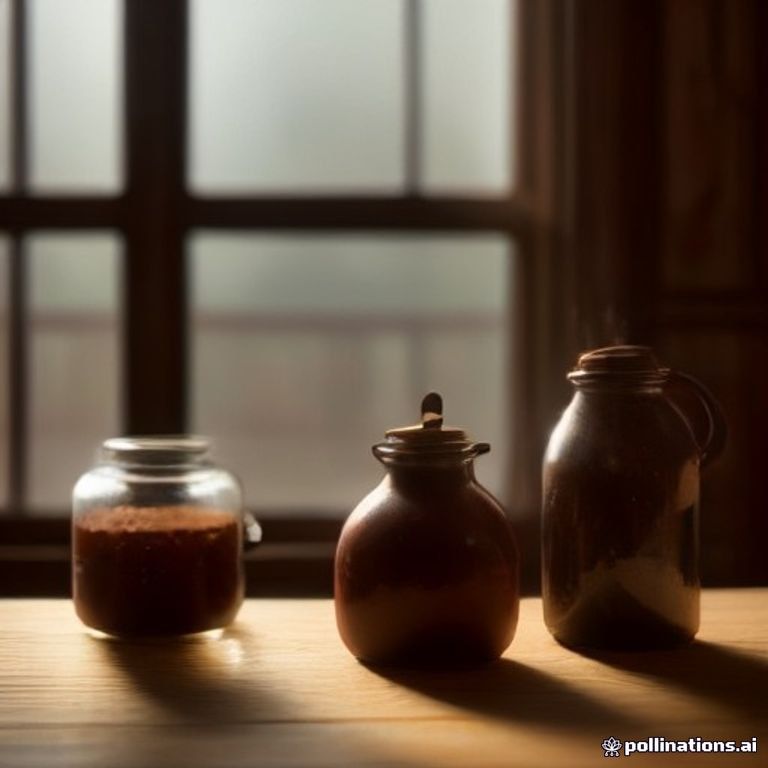

在彰化這座承載歲月痕跡的三合院裡,陽光透過老舊的木窗,溫柔地灑落在厚實的紅磚牆上。我的手輕輕撫過一束深褐色、油亮且柔軟的馬達加斯加香草莢,那股馥郁而又細緻的香氣,瞬間填滿了整個工作室。從「麵包屑手作屋」到如今的「花的丘——甜點蛋糕美食實驗室」,我對食材的探求從未停歇,尤其是在這份來自遠方島嶼的珍寶面前,我總能感受到大自然最純粹的饋贈。
In this time-honored Sanheyuan in Changhua, sunlight gently streams through an old wooden window, illuminating the sturdy red brick walls. My hand softly caresses a bundle of dark brown, lustrous, and supple Madagascar vanilla beans. Instantly, their rich yet delicate aroma fills the entire workshop. From “Bread Crumbs Handmade House” to the current “Hua’s Hill – Dessert & Cake Culinary Lab,” my quest for ingredients has never ceased. Especially in the presence of this precious treasure from a distant island, I invariably feel nature’s purest gift.
一、 香氣的起源:馬達加斯加香草莢的風土與熟成
馬達加斯加,這個印度洋上的島嶼,是全球香草莢最主要的產地,尤其以其「波本香草」(Bourbon Vanilla)聞名。這裡的熱帶氣候、肥沃土壤以及豐富的雨水,為香莢蘭的生長提供了近乎完美的條件。香草莢的製程是一場與時間的溫柔對話。採摘下來的莢果必須經歷繁複的「殺青」、「蒸發」、「日曬」與「發酵」過程,也就是所謂的「熟成」(curing)。這個過程能讓莢果中的酶分解其前驅物質,釋放出數百種芳香化合物,其中最關鍵的便是香草醛(Vanillin)。
Madagascar, an island in the Indian Ocean, is the world’s leading producer of vanilla beans, particularly renowned for its “Bourbon Vanilla.” The tropical climate, fertile soil, and abundant rainfall provide nearly perfect conditions for the growth of vanilla orchids. The production of vanilla beans is a gentle dialogue with time. Once harvested, the pods must undergo a complex series of steps: “killing,” “sweating,” “sun-drying,” and “fermenting,” known as “curing.” This process allows enzymes to break down precursors and release hundreds of aromatic compounds, the most critical being vanillin.
二、 烘焙中的魔法:香氣分子與油脂的乳化共生
在實驗室中,我著迷於香草在烘焙過程中的化學表現。香草醛是一種脂溶性分子,這意味著它在奶油、鮮奶油或蛋黃等油脂豐富的基底中,能達到最完美的融合與擴散。當我們將香草籽揉入室溫奶油中,油脂會將香氣分子牢牢包裹,在加熱過程中緩慢釋放,形成一種立體且深邃的層次感。這種乳化狀態不僅提升了甜點的風味,更在感官上賦予了蛋糕一種溫潤的質感,讓甜味不再單調,而是帶有一種溫暖的木質調底蘊。
In the lab, I am fascinated by the chemical behavior of vanilla during baking. Vanillin is a lipophilic molecule, meaning it achieves perfect fusion and diffusion within fat-rich bases such as butter, heavy cream, or egg yolks. When we fold vanilla seeds into room-temperature butter, the fats encapsulate the aroma molecules, releasing them slowly during heating to create a three-dimensional and profound depth of flavor. This emulsified state not only enhances the taste of the dessert but also imparts a mellow texture to the cake, transforming simple sweetness into a warm, woody undertone.
三、 經典甜點的演繹:法式香草泡芙 (Profiteroles) 的靈魂
若要論及香草的極致運用,法式香草泡芙絕對是不可或缺的經典。在輕盈的泡芙殼中,填入由天然香草莢慢火熬製的 Diplomat Cream(外交官奶油霜)。這裡的香草不再是配角,而是靈魂。純粹的香草籽在濃郁的牛奶與蛋黃之間穿梭,將乳製品的奶香提升至頂點。每一口品嚐,都能感受到香草籽在舌尖輕微的顆粒感,以及那種從深處散發出的、溫柔而堅定的香氣,將法式甜點的精緻與純粹推向極致。
When discussing the ultimate application of vanilla, the French Vanilla Profiterole is an indispensable classic. Inside the light, airy choux pastry, a Diplomat Cream infused with slow-simmered natural vanilla beans is piped. Here, vanilla is no longer a supporting actor but the soul. Pure vanilla seeds weave through the richness of milk and egg yolks, elevating the creamy notes to their peak. With every bite, one can feel the subtle texture of the seeds on the tongue and a gentle yet resolute aroma emanating from within, pushing the sophistication and purity of French pastry to its limit.
四、 料理人對食材的感動與說明
在追求極致的道路上,我曾嘗試過許多市售的香草精,但總覺得少了點什麼——那是一種缺乏生命力的、單一的工業甜味。直到我開始堅持使用完整的馬達加斯加香草莢,親手將其剖開,刮出那些如黑珍珠般晶瑩的籽。我記得第一次在三合院的陽光下,將香草籽融入濃稠奶油時的震撼,那種香氣是活的,會隨著溫度地起伏而變幻。雖然成本更高,且處理過程繁瑣,但當我看到成品蛋糕在出爐那一刻,整個屋子被溫暖的香草氣息包裹時,我知道,這份堅持是值得的。
On the path to perfection, I once experimented with various commercial vanilla extracts, but something was always missing—a lifeless, one-dimensional industrial sweetness. It wasn’t until I insisted on using whole Madagascar vanilla beans, manually splitting them and scraping out the glistening, pearl-like seeds. I remember the shock of folding those seeds into thick cream under the sunlight of the Sanheyuan for the first time; the aroma was alive, shifting with the fluctuations of temperature. Although the cost is higher and the process more tedious, when I see the finished cake emerge from the oven and the entire house enveloped in a warm vanilla embrace, I know this persistence is worthwhile.
結語:時間淬鍊的純粹
香草的深邃,來自於它對時間的耐心等待。從花朵的授粉到熟成的發酵,每一道工序都不能省略。這正如我們對甜點的追求,沒有捷徑可走。
The depth of vanilla comes from its patient wait for time. From the pollination of the flower to the fermentation of curing, no step can be skipped. This is exactly like our pursuit of desserts; there are no shortcuts.
不急,不趕。好食材需要時間在靜默中熟成。等一切就緒,那份純粹自然會在舌尖綻放。
No rush, no hurry. Fine ingredients need time to mature in silence. When everything is ready, that purity will naturally blossom on the palate.