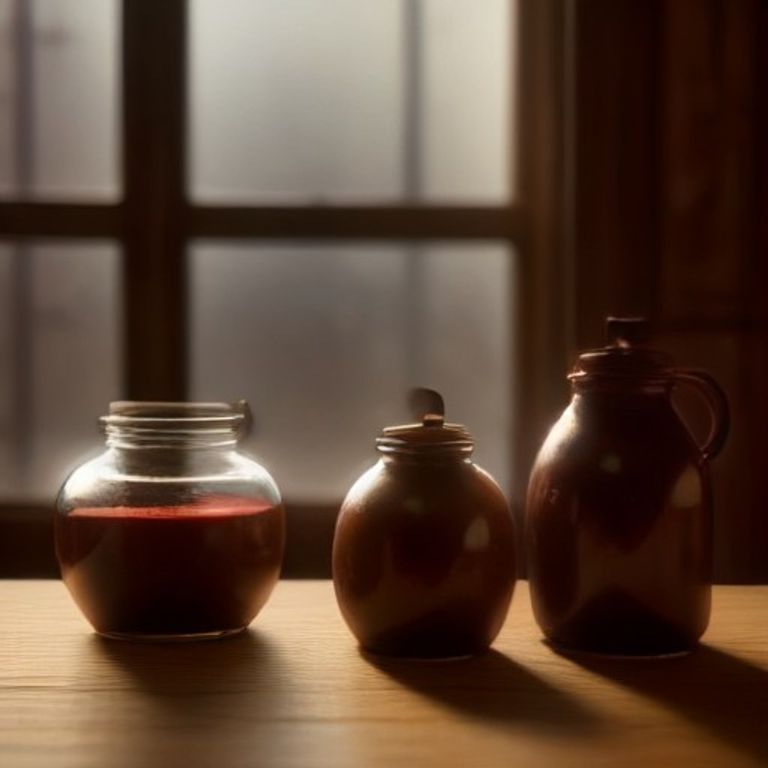
In the afternoon, sunlight slants across the red brick walls of the Sanheyuan. I gently touch a few deep brown Madagascar vanilla beans, carefully preserved in glass tubes, emanating a warm and profound aroma. From the original aspiration of “Breadcrumb Handmade House” in 2014 to pursue additive-free baking, to now in the “Hills of Flowers” laboratory, my obsession with ingredients has remained unchanged. To me, vanilla is not merely a flavoring, but a medium that elevates ordinary ingredients into art.
Madagascar vanilla (Vanilla planifolia) is hailed as the world’s finest due to its unique terroir and an incredibly tedious post-harvest process. These orchids require precise manual pollination, followed by months of curing and aging. During this period, the chemical components within the pods transform, producing over 200 aromatic compounds, with the core “vanillin” imparting that warm, creamy, and slightly woody characteristic.
In the laboratory, I discovered that the use of vanilla beans is not just about scent, but about synergy at the molecular level. When we incorporate vanilla seeds into a high-fat base (such as butter or heavy cream), vanillin, being a fat-soluble molecule, is perfectly encapsulated by the fats and released slowly. During the heating process, vanilla neutralizes the eggy scent and resonates beautifully with the caramelization of sugars, adding a profound olfactory dimension to the cake beyond its visual appeal.
To discuss the ultimate application of vanilla, the French Vanilla Profiterole is a prime example. Inside the light choux pastry shell lies a rich Vanilla Crème Diplomate. High-quality vanilla seeds, like tiny black pearls, are scattered throughout the milky white cream. Here, vanilla acts as the “tonal anchor”: it transforms the cloying sweetness of the cream into an elegant layering of flavors, allowing the taster to feel the richness of the fats while being instantly awakened by a pure, forest-like fragrance, achieving a perfect gustatory balance.
In the pursuit of perfection, I once lost myself in the convenience of various “vanilla extracts” and “vanilla pastes.” However, it wasn’t until I tried slowly simmering whole vanilla beans in milk, watching those tiny black seeds slowly release, that I realized industrialized extraction can never replace the maturation of time. The most difficult part is dealing with price fluctuations and unstable sourcing, but when I see customers close their eyes and feel that natural, non-pungent fragrance while tasting the cake, I know all the persistence is worth it. It is a reverence for nature and the most sincere confession to the taster.
In the tranquility of the Sanheyuan, I understand that the best desserts are never a pile-up of techniques, but the honesty of the ingredients themselves. The fragrance of vanilla is the crystallization of sunlight, rain, and the patience of the artisan.
不急,不趕。好食材需要時間在土壤中深耕,在黑暗中熟成。等一切就緒,那份純粹自然會在舌尖綻放。
No rush, no hurry. Fine ingredients need time to grow deep in the soil and mature in the darkness. When everything is ready, that purity will naturally blossom on the tip of the tongue.
In the workshop of our Changhua Sanheyuan, sunlight gently graces the sturdy red brick walls, warming the glass jars on the wooden table. I carefully pick up a Madagascar vanilla bean; its dark brown skin gleams with a subtle oiliness, and my fingertips perceive its softness and plumpness. Closing my eyes, the rich, multi-layered aroma seems to transport me back to the distant island of Madagascar, the land that nurtures this “black gold.”
The Secret Journey of Vanilla: Madagascar’s Black Gold
Vanilla bean, one of the world’s most cherished spices, has its quality inextricably linked to its origin. Madagascar, particularly the Sava Region, with its unique terroir, stands as the birthplace of the world’s finest Bourbon Vanilla. Here, the vanilla orchid (Vanilla planifolia) must undergo manual pollination, followed by a meticulous post-harvest process lasting several months: blanching, fermentation, drying, and curing – each step treated with the utmost care, like a precious gem. This process not only bestows upon the vanilla bean its iconic dark brown hue but also gives rise to its complex and captivating aroma, encompassing notes of caramel, wood, floral undertones, and a subtle intoxicating warmth.
The Magic of a Flavor Symphony: Vanillin and the Chemical Charm of Baking
The allure of vanilla beans stems not only from their complex flavor but also from their core chemical compound – vanillin. Vanillin is the primary aromatic compound in vanilla, lending it that classic warm, sweet fragrance. However, in baking, the role of vanilla beans extends far beyond this. It not only directly imparts flavor but also acts as a “flavor amplifier,” creating synergistic effects with natural aromas in other ingredients, elevating the overall taste experience. For instance, in dairy-based desserts, vanilla beans effectively neutralize any potential off-notes from dairy while simultaneously accentuating the richness of butter, making the dessert’s layers richer and more balanced. This is a delicate chemical equilibrium, transforming simple sugar and fat into an unforgettable culinary art.
The Artistry of Classic Desserts: The Soul of Crème Brûlée
Among countless classic desserts, Crème Brûlée undoubtedly serves as the perfect stage for vanilla beans. The essence of this dessert lies in the contrast between its silky-smooth custard and the crisp caramelized sugar topping. And vanilla bean is precisely the key that imbues this custard with life and soul. As the vanilla bean infuses in warm heavy cream, it slowly releases hundreds of aromatic molecules, perfectly blending with eggs and sugar. Each spoonful reveals a delicate, warm vanilla flavor, with floral and woody undertones. It doesn’t overpower but rather acts like gentle background music, accentuating the purity of the custard and the burnt sugar aroma of the caramel. Without high-quality vanilla beans, Crème Brûlée would lose its unique depth and elegance.
A Chef’s Emotion and Explanation Regarding Ingredients
As a pastry chef, I deeply understand the value and challenges involved in selecting vanilla beans. True Madagascar Bourbon vanilla beans are expensive, and the market is flooded with many inferior or artificially synthesized alternatives. Finding vanilla beans that are plump, pliable, intensely aromatic, and properly cured requires time, experience, and trust. I have spent months communicating with suppliers from around the world to source the highest quality vanilla, solely to ensure that every dessert from “Fleur Hill” (花的丘) presents the purest aroma. When I split open a vanilla bean and gently scrape out those tiny black seeds with the tip of a knife, the intoxicating natural fragrance always fills me with immense satisfaction and emotion – it is a work of art refined by nature and time, deserving of our most sincere treatment and presentation.
In this era of speed and efficiency, “Fleur Hill” (花的丘) still chooses a path that seems slow but is profoundly meaningful. The story of the vanilla bean is the perfect embodiment of this philosophy. It undergoes a long period of growth, manual pollination, and months of curing to finally unleash its unparalleled fragrance. All of this mirrors our approach to desserts. No rush, no haste. Good ingredients need time to be sought, understood, and awaited for their optimal state. When everything is ready, that purity will naturally be conveyed through the dessert, reaching the hearts of every taster, becoming the warmest imprint on their palate and in their memories.
By the red brick walls of our old Changhua residence, sunlight gently bathes the cloth bags filled with flour. I scoop a handful of Japan’s Violet Cake Flour; it’s as fine as an afternoon breeze, almost weightless as it slips through my fingertips. This lightness is not merely a physical sensation; it’s the ultimate answer to the dessert texture we at “Hana no Oka” (Flowers Hill) Dessert Lab, formerly “Crumbs Handmade House,” have ceaselessly pursued. Each touch reminds me that this is more than just an ingredient; it’s a gift from the Japanese land and the artisan’s craft, holding the secret to giving cakes their ethereal “airy” quality.
Japan’s Violet Cake Flour, its name alone carries a poetic quality, as if foretelling the petal-soft texture it imparts to desserts. Its secret lies deep within the unique terroir of Japanese wheat and its precise milling process. Japanese wheat, due to its growing environment and varietal characteristics, typically has a lower protein content, which is key to its “low-gluten” characteristic. The “Violet” brand takes this quality to its extreme, utilizing unique milling techniques to grind the wheat exceptionally fine while strictly controlling protein content, usually between 6.5% and 8.0%, and maintaining very low ash content. This combination of low protein and low ash means that gluten formation in the flour will be very limited, which is crucial for desserts aiming for an ultimate soft, melt-in-your-mouth texture.
In the world of baking, the proteins in flour play a crucial role in structural support. When flour is mixed with water, the gluten proteins form an elastic network, which is essential for the chewiness of bread. However, for chiffon cakes, which seek an airy, light texture, excessive gluten can be a killer of texture. The low protein content of Japan’s Violet Cake Flour is precisely where its magic lies. It ensures that gluten network formation is minimized during mixing, preventing the cake from becoming tough or dense.
Furthermore, its extremely fine milling means that flour particles can disperse more evenly in the batter, reducing lumps and allowing for better integration with whipped egg whites. In chiffon cake production, meringue is the primary source of leavening, creating a large volume of air bubbles. The fineness and low-gluten characteristics of Violet flour allow these air bubbles to be gently enveloped during baking, forming a stable and delicate internal structure. As the cake heats in the oven, the starch in the flour gelatinizes, and proteins coagulate, collectively supporting the airy texture created by the meringue, ultimately achieving the chiffon cake’s iconic cloud-like lightness and springy texture.
Chiffon cake, a classic dessert originating from the United States and popular worldwide, is renowned for its unparalleled lightness, moistness, and elasticity. Its name, “Chiffon,” aptly describes its silky, delicate texture. Japan’s Violet Cake Flour is one of the key ingredients that brings this “chiffon” soul to life.
In a chiffon cake recipe, the choice of flour is paramount. High-protein flour would make the cake tough, while all-purpose flour might result in a less refined texture. Only an exceptionally low-protein flour like Violet can perfectly combine with a generous amount of egg yolks, vegetable oil, and whipped meringue to create a balance that supports the structure without developing excessive elasticity. Its low protein content ensures the cake’s tenderness, while its fine milling allows for a more uniform batter, reducing potential cracks during baking and resulting in a smooth cake surface and a delicate internal crumb. Every bite of chiffon cake is a gentle symphony composed by Violet flour and other ingredients, offering a burden-free sweetness and an airy happiness to the connoisseur.
As a chef at “Hana no Oka,” I deeply understand that ingredient selection is the starting point of a dessert’s soul. In my quest for the perfect cake flour, I experimented with various brands and origins, yet always felt a slight lack of that ultimate “airiness” and “melt-in-your-mouth” quality. It wasn’t until I encountered Japan’s Violet Cake Flour that its gentle touch and the delicate texture of the baked cakes convinced me this was the purity our lab sought.
However, achieving this purity is not without its challenges. The supply and price fluctuations of premium Japanese flour are realities we face in procurement. But whenever I see a chiffon cake rise from the oven, with its light, flawless appearance, and the satisfied smiles of our customers after tasting it, all difficulties become worthwhile. This is more than just flour; it carries the Japanese artisans’ dedication to quality and echoes “Hana no Oka’s” philosophy of additive-free and burden-free baking, a principle upheld since the “Crumbs Handmade House” era. It helps me understand more profoundly that true deliciousness stems from reverence for ingredients and dedication to craftsmanship.
In the tranquility of our old Changhua residence, every dessert’s creation is a patient wait for time and ingredients. Japan’s Violet Cake Flour, with its unique lightness, breathes life into our chiffon cakes and provides a footnote to “Hana no Oka’s” baking philosophy. It reminds us that the most beautiful things often require the purest ingredients and the most sincere intentions.
No rush, no haste. Good ingredients need time to be understood, to be felt, and to perfectly blend with other elements. When everything is ready, that purity will naturally blossom into the most captivating flavors, touching the heartstrings of every connoisseur.
In my Sanheyuan workshop in Changhua, sunlight streams obliquely through the old window lattices, falling onto my workbench. I gently pick up a Madagascar vanilla bean; its dark brown exterior gleams with an oily luster. A slight press with my fingertips releases that unique sweet and woody aroma. This is not merely a spice; it is a gift from the earth, the very soul of dessert. From the additive-free insistence of “Breadcrumbs Handmade House” in 2014 to “Hana no Oka’s” deeper exploration of ingredients today, vanilla beans have always been an indispensable star in my heart.
Madagascar, an island in the Indian Ocean, nurtures the world’s finest Bourbon vanilla beans with its unique tropical climate and fertile soil. The vanilla beans here, scientifically known as Vanilla planifolia, undergo artificial pollination, harvesting, hot water blanching, sun-drying, and a fermentation and curing process lasting several months, transforming from green pods into the familiar dark brown. This lengthy and intricate craftsmanship results in Madagascar vanilla beans possessing a vanillin content of over 2% and being rich in over 200 aromatic compounds, bestowing upon them a complex and multi-layered aroma: notes of cream, caramel, wood, floral, and even a hint of smoky undertone.
The role of vanilla beans in baking extends far beyond merely providing aroma. When vanilla beans are incorporated into milk, cream, or batter, especially during heating, their cell walls break down, releasing vanillin and other fat-soluble aromatic molecules that then bind with fats, forming a more stable and lasting flavor. These molecules act as catalysts in the Maillard reaction, enhancing the caramelized aroma and color of desserts. For instance, when making custard, the addition of vanilla beans not only imparts fragrance but its trace elements also interact with egg yolk proteins, resulting in a smoother, finer texture, while balancing sweetness and making the overall flavor more rounded and harmonious.
When it comes to the ultimate application of vanilla beans, French Crème brûlée is undoubtedly a prime example. The soul of this seemingly simple dessert hinges entirely on the quality of the vanilla. When fresh vanilla beans are split open, and their plump seeds are scraped out and gently simmered with warm heavy cream, egg yolks, and sugar, the essence of the vanilla thoroughly infuses the dairy fat. After baking, the crisp, thin layer of caramelized sugar on top contrasts sharply with the warm, silky-smooth custard beneath, brimming with vanilla fragrance. Each spoonful is a perfect marriage of vanilla and cream, and that warm, luxurious aroma is the distinct hallmark bestowed upon Crème brûlée by Madagascar vanilla beans, the key distinguishing between the ordinary and the exceptional.
As the founder of a dessert laboratory, my selection of vanilla beans is always stringent. The market is flooded with chemical vanilla extracts, cheap but utterly lacking in complexity. To find truly high-quality Madagascar vanilla beans, I spent a significant amount of time researching supplier origins, and the moisture and pliability of the pods. I’ve encountered dry, scentless inferior products, and have hesitated due to high prices. However, the first time I split open a premium vanilla bean, saw its oily, plump seeds, and inhaled that complex and profound natural aroma, all my persistence found its justification. The depth and purity it brings to desserts are incomparable to any artificial essence. Each use is an act of reverence for nature’s bounty and the most sincere intention for those who taste it.
Here, in this quaint Sanheyuan, time seems to slow down. No rush, no haste. Good ingredients need time to mature, to release their truest flavors. When everything is ready, that purity will naturally sublimate into the most moving chapter in a dessert, blossoming on the tongue and warming the heart.
In this ancient Sanheyuan in Changhua, the sturdy red brick walls warmly embrace every passing moment. The afternoon sun, filtering through the window lattice, gently bathes my workbench, illuminating bundles of dark brown Madagascar vanilla beans. They rest quietly in glass jars, exuding a sweet aroma that is both mysterious and familiar—a gift from time and earth, and an irreplaceable soul within my ‘The Hill of Flowers’ dessert lab. I gently pick one up, my fingertips sensing its oily, supple texture, and in my mind’s eye, I envision the terroir of a distant island and the birth of countless desserts.
Madagascar vanilla beans, often hailed as ‘black gold,’ are truly deserving of the title. This island southeast of Africa boasts a unique tropical rainforest climate and fertile soil, providing exceptional conditions for vanilla orchid cultivation. The variety we use is the renowned ‘Bourbon Vanilla,’ scientifically known as Vanilla planifolia. Its distinct and complex aroma is attributed not only to its geographical environment but also to its intricate and time-consuming ‘curing’ process.
From manual pollination and harvesting to hot water blanching, sun-drying, cool fermentation, and finally, months of drying and curing—each step relies on the skilled hands and precise judgment of experienced farmers. This process allows vanillin and hundreds of other aromatic compounds within the vanilla bean to fully develop, imbuing it with deep, warm, rich layers of caramel, woody, dried fruit, and floral notes. This is not merely agriculture; it is an art form combining nature and human wisdom.
The role of vanilla beans in baking extends far beyond merely providing aroma. They act as a marvelous ‘flavor enhancer,’ rounding out and harmonizing the sweetness, creaminess, or tartness of other ingredients. Vanillin, the primary flavor component in vanilla beans, is heat-stable, allowing it to maintain its elegant aromatic structure in desserts that undergo prolonged baking or cooking, without easily dissipating.
When a vanilla bean is split open and its black seeds are scraped out, these tiny specks not only offer visual appeal but also carry rich oils and volatile compounds. These compounds, when combined with ingredients like sugar, eggs, and dairy, engage in complex chemical reactions. Particularly during emulsification, the fat-soluble aromatic molecules of vanilla integrate better into fats, making the dessert’s flavor fuller and more enduring. It participates in the transformation of desserts from liquid to solid, ensuring every bite is filled with layers and surprises.
If there’s one dessert that showcases the allure of Madagascar vanilla beans to its fullest, it must be Crème Brûlée. This seemingly simple French classic finds its essence in the perfect fusion of pure custard and vanilla. High-quality fresh cream, egg yolks, sugar, and most importantly—a generous amount of Madagascar vanilla beans—together form the rich, silky smooth interior of Crème Brûlée.
By splitting the vanilla bean and scraping out the seeds, both seeds and pod are steeped together in warm cream, allowing their flavors to slowly and thoroughly infuse. This gentle extraction process ensures that the vanilla’s aromatic molecules penetrate every drop of cream evenly. As the mixture bakes, the rich warmth of vanilla intertwines with the sweet creaminess of the custard, creating a comforting and soothing flavor. The crisp, caramelized sugar on top adds a thrilling contrast to this gentleness, leaving the profound aroma of Madagascar vanilla beans lingering on the palate, an unforgettable taste memory.
As a chef, I deeply understand the challenges and significance of selecting Madagascar vanilla beans. The market is flooded with vanilla of various grades and origins, from synthetic vanilla extract to inconsistent quality beans. The difficulty lies in identifying truly superior products. We once spent months liaising with different suppliers, even personally researching the intricate details of the curing process, all in pursuit of the perfect vanilla.
The ‘oily, plump, and glossy’ Grade A vanilla beans are not only expensive but also test the stability and professionalism of the supply chain. However, when I split open these precious vanilla beans, seeing the dense black seeds and inhaling the rich, natural aroma, all the hard work transforms into genuine emotion. It reminds me that good ingredients are the backbone of a dessert, the soul of its flavor. They can instantly imbue a seemingly simple dessert with unparalleled depth and complexity, allowing the consumer to feel our reverence for ingredients and our passion for baking. This authentic and pure aroma is incomparable to any synthetic compound.
At ‘The Hill of Flowers’ dessert lab, we firmly believe that truly wonderful flavors are never achieved overnight. Just like these Madagascar vanilla beans, traveling from a distant island and undergoing a long and meticulous curing process, they finally unleash their profound aroma. This patience with time, this reverence for nature, is at the core of our baking philosophy.
No rush, no haste. Good ingredients need time to cultivate their uniqueness. When all is ready, that purity will naturally, gently tell its own story through our desserts, leaving an eternal imprint on your palate.
In this rustic Sanheyuan studio in Changhua, sunlight streams through the old wooden window, casting a gentle glow on the thick red brick walls and my workbench. I carefully pick up a bundle of dark brown Madagascar vanilla beans, feeling their plump, oily texture between my fingertips, and inhaling their complex, richly sweet aroma. It’s not just simple sweetness; it carries floral, woody notes, even a hint of caramel and smoke, like a whisper from the depths of a tropical rainforest or the lingering scent of a freshly baked dessert from grandma’s kitchen. Each vanilla bean carries the terroir of a distant island and the sweat of countless farmers, an indispensable soul in the “Hua no Oka” dessert laboratory. It reminds me that true deliciousness always stems from nature’s bounty and the patience of time.
Vanilla, the precious plant hailed as the “Queen of Spices,” traces its origins back to the Totonac civilization in Mexico. However, it was the distant island of Madagascar in the Indian Ocean that truly brought vanilla to prominence in the global dessert world. In the 19th century, the French introduced the vanilla orchid to this fertile land, but faced a significant challenge: the lack of natural pollinators. This led to the unique tradition of manual hand-pollination; each vanilla flower must be skillfully pollinated by experienced farmers with a delicate needle within the few short hours it blooms in the early morning – a precise craft racing against time.
After successful pollination, the vanilla pods must mature on the vine for several months before undergoing a long and intricate “curing” process. This involves scalding, sun-drying, shade-drying, and conditioning. Farmers immerse the green vanilla pods in hot water, then expose them to the sun before moving them to cool, shaded areas for slow drying, and allowing them to “sweat” in sealed boxes for weeks or even months. This process transforms the vanilla pods from green to dark brown and develops their signature complex aroma. Madagascar’s unique volcanic soil, abundant tropical sunlight and humidity, combined with generations of exquisite craftsmanship, collectively produce the world’s most revered Bourbon vanilla beans, known for their high vanillin content and rich, long-lasting fragrance.
The allure of Madagascar vanilla beans lies in their complex chemical composition. Vanilla pods contain hundreds of aromatic compounds, the most prominent being “vanillin.” Vanillin imparts vanilla’s classic sweet, creamy aroma, but what truly sets natural vanilla beans apart are the trace, auxiliary compounds such as p-hydroxybenzaldehyde, guaiacol, and eugenol. These compounds work in concert to create a depth and complexity that artificial extracts simply cannot replicate. They are like different instruments in an orchestra, performing a harmonious and rich symphony.
In baking, the application of vanilla is an art. When we split a vanilla bean, scrape out the seeds, and steep both the pod and seeds in hot milk or cream, the heat helps these aromatic molecules release and fully integrate. Vanillin is relatively heat-stable, allowing the vanilla bean’s flavor to remain consistent during baking. Its presence not only adds a unique aroma to desserts but also balances the flavors of other ingredients, enhancing the overall complexity and making the sweetness softer and rounder, rather than simply straightforward. For example, adding vanilla to a custard achieves a perfect balance between the richness of egg yolks and the creaminess of milk, creating a smooth texture with a lingering aftertaste. This is the magic of vanilla; it doesn’t dominate, yet it is omnipresent, subtly elevating every dessert.
If there’s one classic dessert that perfectly showcases the ultimate use of vanilla beans, it is undoubtedly the French Crème brûlée. This seemingly simple yet exquisitely elegant dessert finds its soul in its rich, smooth filling, brimming with the natural fragrance of vanilla. When making Crème brûlée, chefs steep split Madagascar vanilla beans and their seeds in warm heavy cream and milk, allowing the essence of the vanilla to slowly infuse. The vanilla seeds, like tiny black stars, are dispersed throughout the milky white liquid, foreshadowing the deliciousness to come.
When this vanilla-infused cream mixture is combined with egg yolks and sugar, then gently baked until set, the vanillin and other aromatic molecules are further activated by the heat, perfectly intertwining with the richness of the dairy and eggs. With each spoonful of Crème brûlée, one first encounters the slightly bitter and sweet crunch of the caramelized sugar, followed by the cool, delicate, and smooth vanilla custard. That profound yet tender vanilla aroma is a purity and elegance that no synthetic extract can imitate. It elevates a simple egg and dairy dessert to an artistic level, making it an eternal classic on the French dining table. Here, the vanilla bean is not just a flavoring; it is a guide for the palate and senses, leading us on a warm and subtle journey of flavor.
From “Breadcrumbs Handmade House” to the current “Hua no Oka,” my pursuit of ingredients has never ceased. Vanilla beans, especially premium Madagascar Bourbon vanilla, have always been both a “pain point” and a “sweet spot” for me. A pain point due to their price and rarity. Every procurement is a negotiation with the market, a time-consuming and laborious search for vanilla beans with stable quality and rich aroma. The market is flooded with various grades of vanilla, and even many artificial vanilla extracts, which might offer a similar sweetness but can never replicate the deep, multifaceted, and vibrant aroma of natural vanilla beans.
However, when I split open a plump vanilla bean, see the dense black seeds, and smell that intoxicating natural fragrance, all the effort transforms into pure emotion. This emotion comes from a reverence for nature, respect for the farmers’ craftsmanship, and a deep care for those who will taste it. I firmly believe that good ingredients speak for themselves. They require no excessive embellishment to convey the most authentic flavors in the purest way. Desserts made with natural vanilla beans possess an aroma that is warm and lasting, blooming slowly in the mouth and leaving an unforgettable aftertaste. This is my proudest commitment as a chef, and it is “Hua no Oka’s” promise to every customer – to offer only the best to you.
Each vanilla bean is a masterpiece of time and nature. From distant Madagascar, through sunlight, dew, and the careful tending of farmers, to the laboratory of “Hua no Oka,” it travels thousands of miles, only to unleash its purest radiance in your desserts. This journey, filled with waiting and patience, is also a microcosm of our baking philosophy. No rush, no haste. Good ingredients need time to mature, to release their potential; once everything is ready, that purity will naturally sublimate into an art on the palate, touching the depths of your soul.
彰化三合院的老屋工作室裡,陽光輕柔地灑落在厚實的紅磚牆上,也溫暖了擺放著各式嚴選食材的木架。我輕輕拿起一根深棕色的馬達加斯加香草莢,指尖感受它油潤而富有彈性的質地,湊近鼻尖,那股醇厚而帶有焦糖、木質與淡淡花香的複合氣息,瞬間將我拉進了記憶深處——那些純粹而美好的甜點時光。這不僅僅是一種香料,它是大地的贈禮,是甜點的靈魂,也是「花的丘」對風味極致追求的起點。
Inside the old Sanheyuan studio in Changhua, sunlight gently caresses the sturdy red brick walls, warming the wooden shelves laden with carefully selected ingredients. I delicately pick up a dark brown Madagascar vanilla bean, my fingertips noting its oily, supple texture. Bringing it closer to my nose, the rich, complex aroma—a blend of caramel, wood, and subtle floral notes—instantly transports me to cherished memories of pure, wonderful dessert moments. This is more than just a spice; it is a gift from the earth, the soul of dessert, and the starting point for “Hua Zhi Qiu”‘s relentless pursuit of ultimate flavor.
一、 香草的故鄉與靈魂:馬達加斯加的黑色黃金
馬達加斯加,這座印度洋上的島嶼,以其獨特的風土與精湛的工藝,孕育出全球最受推崇的波本香草莢。每一根香草莢的誕生,都始於人工授粉的精細過程,再經過數月的日曬、陰乾與「發汗」熟成,方能發展出其標誌性的深邃香氣。這段漫長而精密的旅程,讓香草莢內的香草醛(Vanillin)與其他超過200種芳香化合物得以完美結合,形成無與倫比的層次感與豐富度。
Madagascar, the island nation in the Indian Ocean, with its unique terroir and exquisite craftsmanship, cultivates the world’s most revered Bourbon vanilla beans. The birth of each vanilla bean begins with a meticulous hand-pollination process, followed by months of sun-drying, shade-curing, and “sweating” to mature, allowing its signature profound aroma to develop. This long and precise journey enables vanillin and over 200 other aromatic compounds within the bean to perfectly coalesce, forming an unparalleled depth and richness.
二、 烘焙中的香氣魔法:分子層次的交響曲
在烘焙的魔法世界裡,馬達加斯加香草莢不僅提供香氣,更扮演著風味協調者的角色。它的香氣分子能巧妙地與其他食材結合,提升甜點的整體風味,例如在奶製品中,香草能溫柔地襯托出乳脂的香醇,同時平衡蛋黃可能帶來的腥味。當香草莢中的香草醛受熱釋放時,它與糖、蛋白質等物質發生微妙的梅納反應,為甜點增添一層誘人的焦糖化香氣與色澤。這份來自大自然的純粹,讓每一口甜點都充滿了溫暖與深度。
In the magical realm of baking, Madagascar vanilla beans not only impart fragrance but also act as a flavor harmonizer. Its aromatic molecules subtly combine with other ingredients, elevating the overall taste of desserts. For instance, in dairy products, vanilla gently highlights the creamy richness of milk fats while balancing any eggy notes from yolks. When vanillin from the bean is released by heat, it engages in delicate Maillard reactions with sugars and proteins, adding an enticing caramelized aroma and color to the dessert. This purity from nature imbues every bite with warmth and depth.
三、 經典甜點的演繹:法式奶醬與布蕾的純粹
若要論馬達加斯加香草莢的極致運用,法式焦糖布蕾(Crème brûlée)無疑是最佳的詮釋。這款經典甜點的靈魂,正是那香草籽點綴其中、口感如絲般滑順的卡士達內餡。香草莢被緩慢地浸泡在溫熱的鮮奶油中,讓其豐富的香氣分子充分釋放,滲透到每一滴奶液裡。當烘烤完成,輕敲表面脆裂的焦糖,舀起一勺,那溫潤的蛋奶香與香草的深邃芬芳交織,在口中達到完美的平衡,令人回味無窮。這份純粹而高雅的風味,正是香草莢賦予焦糖布蕾的獨特印記。
If there’s one dessert that exemplifies the ultimate use of Madagascar vanilla beans, it is undoubtedly the French Crème brûlée. The soul of this classic dessert lies in its silky-smooth custard filling, speckled with vanilla seeds. Vanilla beans are slowly infused into warm cream, allowing their rich aromatic molecules to fully release and permeate every drop of the liquid. Once baked, a gentle tap on the brittle caramelized surface, followed by a spoonful, reveals a perfect balance in the mouth: the warm, creamy egg flavor intertwined with the profound fragrance of vanilla, leaving an unforgettable aftertaste. This pure and elegant flavor is the unique hallmark that vanilla beans bestow upon Crème brûlée.
四、 料理人對食材的感動與說明
身為一個料理人,尋找高品質的馬達加斯加香草莢,從來都不是一條輕鬆的路。市場上充斥著各種等級與來源的香草,從外觀的飽滿度、油潤感,到香氣的複雜度,都需憑藉經驗與嗅覺的敏銳判斷。我也曾遭遇過品質不佳的香草,香氣單薄,甚至帶有異味,這無疑是對甜點風味的巨大傷害。然而,當我終於找到那些飽滿、富有光澤,且香氣層次豐富的頂級香草莢時,心中的感動是難以言喻的。將它剖開,刮出那細如沙粒的黑色香草籽,那撲鼻而來的天然芬芳,總能讓我確信,所有付出的努力都是值得的。這份純粹的香氣,不僅提升了甜點的價值,更是對品嚐者最真誠的承諾。
As a culinary artisan, sourcing high-quality Madagascar vanilla beans has never been an easy journey. The market is flooded with vanilla of varying grades and origins, and discerning quality—from the plumpness and oiliness of the bean to the complexity of its aroma—requires sharp judgment and experience. I have encountered inferior vanilla before, thin in aroma or even bearing off-notes, which is a significant detriment to dessert flavor. However, when I finally discover those plump, lustrous, and richly aromatic premium vanilla beans, the emotion is indescribable. Splitting one open and scraping out the fine, black vanilla seeds, the immediate rush of natural fragrance always reassures me that all the effort is worthwhile. This pure aroma not only elevates the value of the dessert but also represents the most sincere promise to those who taste it.
結語:時間與風土的贈禮,香草的靜默絮語
在「花的丘」實驗室裡,每一根馬達加斯加香草莢都承載著遠方的陽光與風土的記憶。它不是速成的風味,而是時間與耐心的結晶。我們深知,唯有尊重食材的本質,才能創造出感動人心的甜點。不急,不趕。好食材需要時間來熟成、來釋放它最深沉的韻味,需要我們細心呵護與理解。等一切就緒,那份純粹自然會透過甜點,靜默地向每一位品嚐者訴說它來自大地的故事,以及料理人傾注其中的真摯心意。
In the “Hua Zhi Qiu” laboratory, every Madagascar vanilla bean carries the memory of distant sunlight and terroir. It is not a flavor rushed into existence, but a crystallization of time and patience. We deeply understand that only by respecting the essence of ingredients can we create desserts that touch the heart. No rush, no haste. Good ingredients need time to mature, to release their deepest flavors, and require our careful nurturing and understanding. Once everything is ready, that purity will naturally, through the dessert, silently narrate its story from the earth to every taster, along with the sincere intentions poured into it by the culinary artisan.
Early morning in the Sanheyuan workshop in Changhua, sunlight gently bathes the sturdy red brick walls, warming the stacks of flour bags on the wooden shelves. I carefully open a bag of Japanese Violette Low-Gluten Flour; the fine powder flows like snowflakes through my fingertips, releasing a subtle wheat aroma. This is the soul of countless light cakes and melt-in-your-mouth desserts at “Hana no Oka” (花的丘) Dessert Lab, embodying our deep exploration of ingredients and our heartfelt dedication to those who taste our creations.
The Secret of Violette: The Finesse of Japanese Wheat and Milling Craftsmanship
Japanese Violette Low-Gluten Flour, renowned in the baking world, owes its unique light texture to a deliberate process. It is made from high-quality wheat cultivated in Japan, particularly in regions like Hokkaido, where the wheat typically has a lower protein content. Compared to flours from Europe or America, Japanese flour undergoes a more refined milling process. Through specialized techniques, the bran and germ are more thoroughly separated, preserving the purest core of the flour. This meticulous milling not only reduces the ash content but also ensures the flour’s pristine white color and uniform texture. The low protein content means that during dough preparation, gluten formation is restricted, which is precisely the key to achieving the distinctively light and tender texture of Japanese desserts.
The Light Dance in Baking: Protein Structure and the Airiness of Cakes
Proteins in flour, primarily glutenin and gliadin, combine to form gluten when mixed with water. This gluten network, with its elasticity and extensibility, traps gases produced during fermentation, forming the basis of bread’s rise. However, for cakes aiming for a delicate texture, excessive gluten can result in a tough, overly elastic crumb. Japanese Violette Low-Gluten Flour’s low protein characteristic precisely addresses this issue. Its protein content typically ranges between 6-8%, significantly lower than all-purpose or high-gluten flours. This results in baked cakes with a fine, uniform crumb that melts in the mouth, delivering an ultimate airy sensation. In the baking process, it emulsifies better with egg yolks and fats, forming a stable structure without developing excessive elasticity, keeping the cake moist and fluffy.
The Artistry of Classic Desserts: The Soul of Japanese Soufflé Cheesecake
If there is one ultimate showcase for Japanese Violette Low-Gluten Flour, it is undoubtedly the Japanese Soufflé Cheesecake. This cake is globally renowned for its cloud-like lightness and melt-in-your-mouth texture. While traditional Western cheesecakes tend to be dense and rich, Japanese Soufflé Cheesecake offers an entirely different experience. Its essence lies in perfectly blending the airiness of meringue with the moistness of the cheese batter, and Violette low-gluten flour plays an indispensable role here. Its extremely low gluten content ensures that the cake expands fully during baking, forming fine, uniform air cells, without shrinking or becoming coarse due to excessive gluten development. Each bite is incredibly smooth, moist, and light, as if tasting a melting cloud—this is the soul that Violette flour infuses into it.
A Chef’s Reverence for Ingredients and Explanation
At “Hana no Oka” Lab, we never compromise on our ingredient selection. When I first encountered Japanese Violette Low-Gluten Flour, its price was considerably higher than conventional flours, which was initially a pain point when considering costs. However, the first time I used it to create a Japanese chiffon cake, the unprecedented lightness, moisture, and elasticity made all my doubts vanish. Unlike some low-gluten flours that tend to clump or create dust during handling, Violette flour’s fineness makes the mixing process smoother. More importantly, it allows our desserts to achieve an ultimate balance: rich flavor combined with astonishing lightness. This profound appreciation stems not only from the ingredient’s excellence but also from the spirit it represents—the Japanese artisan’s relentless pursuit of quality and meticulous attention to detail. This very spirit is the philosophy upheld by “Hana no Oka.”
Conclusion: The Philosophy of Time and Pure Desserts
The sunlight shifts, and the aroma of freshly baked cake fills the workshop. This fragrance is a symphony composed by Japanese Violette Low-Gluten Flour and other carefully selected ingredients. No rush, no haste. Good ingredients need time to be explored, to understand their nature, and to unleash their potential. When all is ready, that pure essence will naturally transform, through “Hana no Oka’s” desserts, into a light, moving sensation in the mouth, reaching the heart of every single person who tastes it.
彰化三合院的工作室裡,陽光輕柔地灑落在厚實的紅磚牆上,為古老的空間添上一抹溫暖。我輕輕拿起一根馬達加斯加香草莢,指尖感受它油潤的質地與沉甸甸的重量。那深邃的黑褐色澤,彷彿蘊藏著熱帶島嶼的陽光與雨露,以及時間賦予的獨特芬芳。輕輕嗅聞,一股複雜而迷人的香氣撲鼻而來,那是甜美、木質、帶點果香,又有些許焦糖的暗示。這不只是一根香草莢,它承載著「花的丘」對純粹風味的執著,更是我們甜點實驗室探尋美好滋味的起點。
In the workshop of our Sanheyuan in Changhua, sunlight gently spills onto the thick red brick walls, adding a touch of warmth to the ancient space. I carefully pick up a Madagascar vanilla bean, feeling its oily texture and substantial weight between my fingertips. Its deep dark brown hue seems to encapsulate the sun and rain of a tropical island, along with the unique fragrance bestowed by time. A gentle sniff reveals a complex and enchanting aroma – sweet, woody, with hints of fruit and a touch of caramel. This is more than just a vanilla bean; it embodies “Huazhiqiu’s” dedication to pure flavor and serves as the starting point for our dessert laboratory’s quest for exquisite tastes.
一、 熱帶島嶼的贈禮:馬達加斯加香草莢的風土與熟成
馬達加斯加,這座印度洋上的神秘島嶼,以其獨特的氣候與土壤,孕育出世界頂級的波旁香草莢(Bourbon Vanilla)。香草,這種蘭科植物的果實,其生長與加工過程極為繁複。從人工授粉、採收綠色的豆莢,到經歷熱水殺青、日光曝曬與陰涼處熟成的漫長旅程,每個環節都需精準掌控。特別是熟成過程,長達數月甚至數年,讓豆莢內的香草醛(Vanillin)及其他兩百多種芳香化合物得以緩慢發展,形成其獨特而豐富的香氣層次。這不僅是農夫的辛勞,更是大自然與時間共同創作的藝術品。
Madagascar, the mystical island in the Indian Ocean, nurtures the world’s finest Bourbon vanilla beans with its unique climate and soil. Vanilla, the fruit of an orchid, undergoes an extremely intricate growth and processing journey. From hand-pollination and harvesting green pods to the lengthy process of hot water blanching, sun-drying, and months-long curing in the shade, every step demands precise control. Especially the curing process, which can last for several months or even years, allows vanillin and over two hundred other aromatic compounds within the bean to slowly develop, forming its distinct and rich aromatic layers. This is not merely the labor of farmers; it is a work of art co-created by nature and time.
二、 烘焙中的魔法:香氣分子的交響樂章
香草莢在烘焙中扮演的角色,遠不止於提供單純的甜香。它是一種香氣的「橋樑」,能將其他食材的風味連結並提升,創造出更深邃、更和諧的味覺體驗。當香草莢被浸泡在牛奶或奶油中加熱時,其內部的香草醛和其他脂溶性芳香分子會緩緩釋放,融入脂肪中。在蛋糕、慕斯或卡士達醬中,這些分子與糖、乳製品、蛋黃等成分結合,透過溫度與時間的催化,形成複雜的梅納反應前驅物,或與蛋白質、脂肪分子產生鍵結,使整體風味更圓潤、更具層次感。這是一種無形的化學魔法,將簡單的食材昇華為難忘的美味。
The role of vanilla beans in baking extends far beyond merely providing a sweet fragrance. It acts as an aromatic “bridge,” connecting and enhancing the flavors of other ingredients to create a deeper, more harmonious sensory experience. When vanilla beans are steeped in milk or cream and heated, the vanillin and other fat-soluble aromatic molecules within are slowly released and infused into the fat. In cakes, mousses, or custards, these molecules combine with ingredients like sugar, dairy, and egg yolks. Through the catalysis of temperature and time, they form complex precursors for Maillard reactions or bond with protein and fat molecules, making the overall flavor rounder and more layered. This is an invisible chemical magic, elevating simple ingredients into unforgettable delicacies.
三、 經典甜點的演繹:法式布蕾的靈魂
法式布蕾(Crème brûlée),這道經典的法式甜點,無疑是馬達加斯加香草莢展現其風華的完美舞台。其精髓在於那滑順如絲的蛋奶醬,與表層焦糖脆片的對比。要做出頂級的法式布蕾,香草莢是不可或缺的靈魂。我們將飽滿的香草莢剖開,刮出裡頭的香草籽,連同豆莢一同浸泡在溫熱的鮮奶油與牛奶中,讓香氣緩慢而徹底地釋放。香草的芬芳與蛋黃、糖、鮮奶油的濃郁完美融合,賦予布蕾深邃而平衡的風味。當焦糖脆片被輕輕敲開,底下的香草蛋奶醬便散發出誘人的香氣,每一口都是對味蕾的極致犒賞。
Crème brûlée, this classic French dessert, is undoubtedly the perfect stage for Madagascar vanilla beans to showcase their splendor. Its essence lies in the silky-smooth custard contrasting with the crisp caramelized sugar topping. To create a top-tier crème brûlée, vanilla beans are an indispensable soul. We split open plump vanilla beans, scrape out the seeds, and steep both the seeds and the pod in warm heavy cream and milk, allowing the aroma to slowly and thoroughly infuse. The fragrance of vanilla perfectly merges with the richness of egg yolks, sugar, and heavy cream, imbuing the crème brûlée with a deep and balanced flavor. When the caramelized crust is gently cracked, the vanilla custard beneath releases an enticing aroma, making every spoonful an ultimate treat for the palate.
四、 料理人對食材的感動與說明
作為「花的丘」的創辦人,我對香草莢的挑選,有著近乎偏執的堅持。初入行時,曾被市面上琳瑯滿目的「香草精」或「香草粉」所迷惑,它們或許能提供類似的香氣,卻少了天然香草莢那份複雜而真實的層次感。那種人工合成的氣味,總是在入口後少了些什麼,無法在味蕾上留下深刻的記憶。尋找優質的馬達加斯加香草莢,是個漫長且耗費心力的過程。我們必須確保供應商的豆莢是經過妥善熟成,質地油潤、富有彈性,並且香氣濃郁,而非乾燥、易碎或帶有霉味。每一次收到飽滿油亮的香草莢,聞到那股天然的、令人心醉的芬芳,我都會感到一種難以言喻的滿足。這不只是食材,更是對大自然饋贈的敬意,也是對每一位品嚐者最真摯的承諾。
As the founder of “Huazhiqiu,” I have an almost obsessive insistence on selecting vanilla beans. When I first started in this profession, I was once misled by the myriad of “vanilla extracts” or “vanilla powders” on the market. While they might offer a similar aroma, they lacked the complex and authentic layers of natural vanilla beans. Those artificially synthesized scents always felt like something was missing after tasting, failing to leave a lasting impression on the palate. Sourcing high-quality Madagascar vanilla beans is a long and painstaking process. We must ensure that our supplier’s beans are properly cured, with an oily, supple texture and a rich aroma, not dry, brittle, or moldy. Every time I receive plump, lustrous vanilla beans and inhale that natural, intoxicating fragrance, I feel an indescribable satisfaction. This is not just an ingredient; it is a tribute to nature’s bounty and the most sincere promise to every person who tastes our creations.
結語:時間的禮讚,純粹的綻放
在這彰化古宅的廚房裡,時間彷彿也慢了下來。我們深知,好的甜點,不只在於精湛的技藝,更在於對食材的理解與耐心。馬達加斯加香草莢從遙遠的島嶼而來,歷經漫長熟成,最終在我們的甜點中綻放其獨特魅力。不急,不趕。好食材需要時間來醞釀其最完美的風味,需要料理人以最虔誠的心去對待。等一切就緒,那份純粹自然的香氣與感動,自然會透過每一口甜點,傳遞到您的心底。
In this kitchen within an ancient Changhua house, time itself seems to slow down. We profoundly understand that excellent desserts are not only about exquisite skill but also about understanding and patience with ingredients. Madagascar vanilla beans travel from a distant island, undergoing lengthy curing, and finally bloom with their unique charm in our desserts. No rush, no haste. Good ingredients need time to develop their most perfect flavor, and they need chefs to treat them with the utmost reverence. When everything is ready, that pure natural aroma and emotion will naturally be conveyed to your heart through every bite of dessert.
In this old house studio in Changhua, the afternoon sun streams gently through the wooden window, falling softly upon the glass jars by my side. Within them, a bundle of black gold from Madagascar – vanilla beans. They are plump and lustrous, exuding a deep and captivating aroma, a poem written by sunshine, rain, and time. Each touch, each gentle sniff, reminds me of the “Breadcrumbs Handmade House” era’s commitment to additive-free ingredients, and “Hua Zhi Qiu”‘s current exploration into the essence of ingredients. This is not merely a spice; it is a bridge in our dessert laboratory, connecting nature with the palate.
I. Madagascar’s Black Gold: The Terroir and Refinement of Vanilla Beans
Madagascar, an island in the Indian Ocean, with its unique tropical climate and fertile soil, is home to the world’s finest Bourbon vanilla beans. Here, vanilla orchids require individual hand-pollination, an extremely time-consuming and delicate craft. After successful pollination, the vanilla pods undergo months of “killing,” “fermentation,” “drying,” and “curing” processes. This lengthy journey transforms the vanilla beans from green to deep brown, gradually developing hundreds of aromatic compounds, the most crucial of which is vanillin. These compounds collectively bestow upon vanilla beans their complex and captivating flavor, a natural treasure unmatched by any artificial extract.
II. Sensory Magic in Baking: How Vanilla Elevates Dessert Layers
In dessert baking, vanilla beans do more than just provide aroma; they act like a conductor, subtly balancing and enhancing the flavors of other ingredients. The natural compounds in vanilla synergize with sugars, fats, and proteins, making the overall flavor of desserts more rounded and profound. For instance, when making custard, the addition of vanilla seeds not only brings visual appeal, but their mellow aroma also neutralizes any eggy notes from the yolks and perfectly blends with the creamy richness of milk, creating a silky and multi-layered texture. It prevents the sweetness of desserts from being monotonous, instead adding a warm and inviting depth.
III. The Elaboration of Classic Desserts: The Soul of French Canelé
The French Canelé, a classic Bordeaux dessert with a crisp, caramelized exterior and a moist, chewy interior, owes its unique flavor soul to the perfect marriage of vanilla beans and rum. When preparing the Canelé batter, vanilla beans are split open, their seeds scraped out, and both seeds and pods are steeped in warm milk, allowing the vanilla essence to fully infuse. This vanilla-infused milk, combined with flour, eggs, sugar, and rum, undergoes a long period of cold resting, allowing the vanilla flavor to deeply penetrate. During baking, the vanilla aroma is activated by the high heat of the copper molds, intertwining with the caramelized crust and the moist interior, creating the unforgettable complex layers and alluring fragrance of the Canelé.
IV. A Chef’s Emotion and Explanation Regarding Ingredients
As a chef, I am acutely aware of the challenges in sourcing premium vanilla beans. The market is flooded with vanilla products of varying quality, from artificial extracts to overly dry, aroma-deficient inferior pods. To ensure that every dessert from “Hua Zhi Qiu” dessert laboratory presents the purest flavor, I insist on personally selecting Grade A vanilla beans from Madagascar. This means carefully inspecting each bean for plumpness, oily luster, and elasticity, ensuring its rich aroma and absence of off-notes. This persistence, though sometimes demanding, transforms into reverence for nature and heartfelt intention for the consumer when I see vanilla seeds evenly dispersed in custard and smell that warm, complex natural aroma. This is not just an ingredient choice; it is a commitment to the art of dessert.
Conclusion: The Gift of Time: An Eternal Pursuit of Pure Flavor
At “Hua Zhi Qiu” dessert laboratory, we deeply believe that true deliciousness stems from a profound understanding of ingredients and patient waiting. The cultivation of vanilla beans requires the tempering of sunshine, rain, and time; the birth of a dessert is no different. We are not in a hurry, we do not rush. Good ingredients need time to mature, to release their most beautiful essence. When everything is ready, that purity will naturally be conveyed through our desserts, reaching the hearts of every connoisseur, becoming the warmest imprint in their memories.