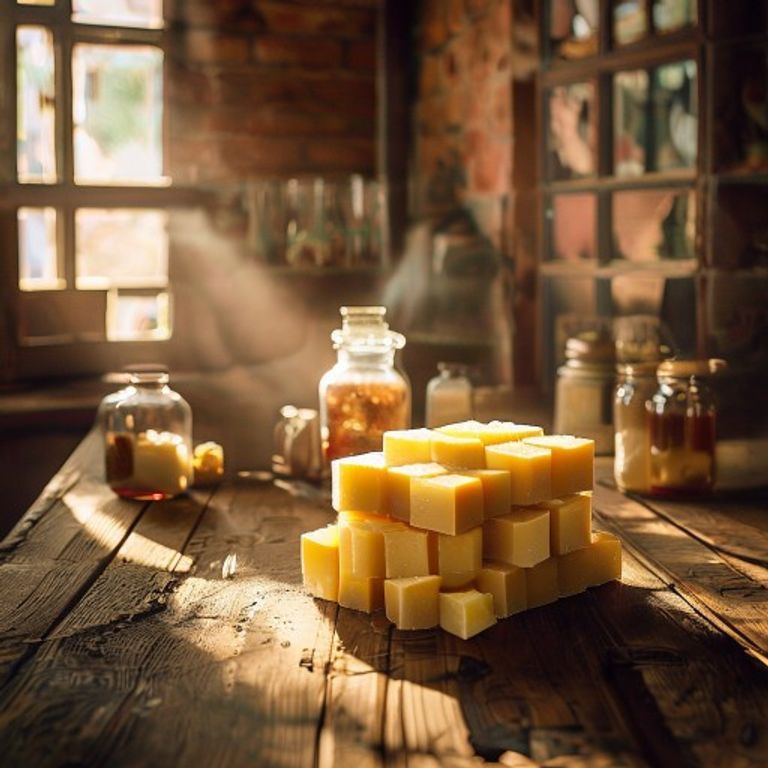
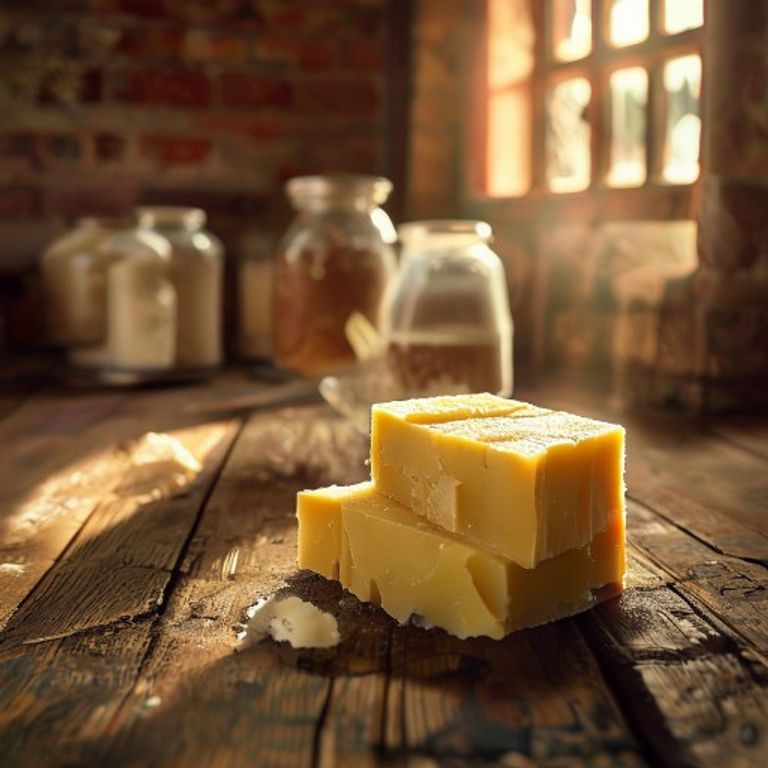
Sunlight streams through the antique window of the traditional Sanheyuan, illuminating the block of French cultured butter on my workbench, which emanates a subtle nutty aroma. Its golden hue and tender touch seem to carry centuries of French dairy farmers’ land memories and exquisite craftsmanship. From the
Sunlight filters through the ancient windowpanes of our Sanheyuan, falling upon a golden block of French cultured butter on the workbench. A delicate, captivating aroma of cheese and nuts permeates the air. This fragrance, free from artificial additions, is a symphony composed by time and microorganisms—a testament to “Hua’s Hill” dessert laboratory’s unwavering pursuit of pure flavors. From the additive-free origins of “Breadcrumbs Handmade House” in 2014 to “Hua’s Hill’s” current deep exploration of ingredient science and flavor artistry, this butter perfectly embodies our baking philosophy.
一、 溫柔的發酵魔法:法國發酵奶油的誕生與風味層次 / The Gentle Fermentation Magic: The Birth and Flavor Layers of French Cultured Butter
French cultured butter distinguishes itself from regular sweet cream butter through an additional “fermentation” process. After fresh cream is inoculated with lactic acid bacteria, it undergoes slow fermentation for several hours. The lactic acid bacteria convert lactose into lactic acid, imparting its unique rich flavor: a refreshing tang, a nutty depth, and a lingering cheesy aroma. These delicate flavor layers make cultured butter an indispensable ingredient in baking. We meticulously select cultured butter from regions like Normandy, France, where the dairy source is pure, and cows graze freely in vast pastures, resulting in exceptional cream quality, encapsulating the essence of the terroir in every bite.
二、 烘焙中的魔法:乳化狀態與蛋糕的細緻結構 / The Magic in Baking: Emulsification and the Delicate Structure of Cakes
The pivotal role of cultured butter in baking, especially in desserts like pound cake, lies in its “emulsification state,” which is the secret to achieving a perfect texture. When butter and sugar are creamed, air is evenly incorporated, forming tiny air cells that serve as the foundation for the cake’s rise. Subsequently, the added eggs create a stable emulsion between the fat and water components of the cultured butter, skillfully binding water and oil. This stable emulsification ensures uniform distribution of moisture and fat throughout the batter, preventing separation and leading to a delicate, moist, and even cake crumb. The low melting point and soft texture of cultured butter also allow it to blend more easily, imparting a melt-in-your-mouth tenderness and rich, layered flavors to the pound cake.
三、 經典甜點的演繹:法式可頌與瑪德蓮的靈魂 / The Artistry of Classic Desserts: The Soul of French Croissants and Madeleines
Cultured butter is not only the soul of pound cake but also an indispensable protagonist in many classic French desserts. In making French croissants, the “plasticity” and “flavor” of cultured butter are crucial to achieving its thousand-layered crispness. It must be precisely folded and rolled into the dough, creating paper-thin layers, while releasing its unique nutty and cheesy aroma during baking, endowing the croissant with unparalleled flavor and texture. In Madeleines, these shell-shaped financiers, cultured butter contributes its delicate milky aroma and caramelized flavor from the Maillard reaction, giving them a golden, crispy exterior and a moist, tender interior. Each bite is filled with the elegance and depth of French patisserie. These desserts, without exception, speak to the irreplaceable nature of cultured butter.
四、 料理人對食材的感動與說明 / A Chef’s Reverence and Insights into Ingredients
As a chef at “Hua’s Hill,” I deeply understand the difficulty of finding a perfect cultured butter. The market is flooded with various butters, but to find one that aligns with our demands for flavor, texture, and purity requires continuous experimentation and exploration. I have traveled to multiple regions, comparing different dairy sources, fermentation times, and fat contents. Ultimately, when I incorporate this cultured butter from Normandy into the batter and watch it transform into a golden, enticing dessert in the oven, the emotion is indescribable. It is not merely fat; it is a gift from nature, a crystallization of time and craftsmanship. It teaches me that persistence in ingredients will ultimately be conveyed through the palate to every taster, becoming a silent yet profound communication.
結語:時間的淬煉,純粹的滋味 / Conclusion: The Refinement of Time, The Taste of Purity
In the tranquility of the Sanheyuan, I often ponder that the baking process is, in essence, a dialogue with time. From the fermentation of cream to the aging of butter, and then to the slow transformation of desserts in the oven, every step demands patience and waiting. This cultured butter carries the memory of the land and the heart of the artisan, reminding us that true deliciousness is never rushed.
No rush, no haste. Good ingredients need time to develop their unique flavors and textures. When all is ready, that purity will naturally whisper the story of the earth and the warmth of handmade craftsmanship through every fiber of the dessert.
In the quiet embrace of our ancestral Sanheyuan, where the scent of aged red bricks mingles with the subtle perfume of baking, I often find myself contemplating the heart of our craft. Today, my gaze falls upon a block of French cultured butter, its golden hue promising a depth of flavor that transcends mere fat. It’s more than an ingredient; it’s a testament to time, tradition, and the delicate alchemy that transforms simple cream into a baker’s treasure. Each time I unwrap it, the faint tang of lactic notes whispers stories of French pastures and artisanal mastery, reminding me why we, at “花的丘” (formerly “麵包屑手作屋”), insist on seeking out such pure essences.
French cultured butter, unlike its sweet cream counterpart, undergoes a meticulous fermentation process. Selected lactic acid bacteria are introduced into fresh cream, allowing it to ripen slowly. This cultivation develops a complex bouquet of aromatic compounds – diacetyl, acetoin, and various esters – which are the hallmarks of its distinctive tangy, nutty, and subtly sweet profile. This isn’t just about taste; it’s about transforming the cream’s structure, increasing its acidity, and enhancing its emulsifying properties. The terroir of French dairy regions, with their rich pastures and specific cow breeds, further imprints a unique character onto the butter, making each region’s offering a subtle variation on a theme of excellence. It’s a journey from pasture to palate, guided by generations of expertise.
In the realm of baking, French cultured butter is a true magician. Its slightly higher melting point and unique fatty acid profile, coupled with its natural acidity from fermentation, contribute significantly to the structure and texture of baked goods. When incorporated into doughs or batters, the butter’s fat globules, encased by proteins and phospholipids, create a stable emulsion. This emulsion is crucial in trapping air during creaming, leading to a lighter, more tender crumb in cakes and cookies. In laminated doughs, like those for croissants, the butter’s plasticity and melting point are paramount. It remains solid enough to create distinct layers yet melts cleanly during baking, leaving behind delicate air pockets and a signature flaky texture. The lactic acid also plays a subtle role in tenderizing gluten, further enhancing the delicate mouthfeel.
Consider the iconic French croissant, a masterpiece of laminated pastry where cultured butter is not merely an ingredient but the very soul of the creation. The distinct layers, the golden-brown crispness, and the ethereal, airy interior are all direct results of the precise interaction between the dough and the butter. During the repeated folding and rolling process (tourage), a high-quality, pliable cultured butter is meticulously layered between sheets of yeast dough. As the croissant bakes, the butter melts, releasing steam that pushes apart the dough layers, creating hundreds of delicate, flaky strata. Simultaneously, the Maillard reaction occurs on the surface, catalyzed by the butter’s fats and sugars, resulting in that irresistible golden hue and complex caramelized flavor. The rich, tangy notes of the cultured butter permeate every bite, elevating the croissant from a simple bread to a sublime culinary experience.
As a baker, my journey with French cultured butter has been one of constant discovery and occasional frustration. The challenge often lies in its temperature sensitivity; it demands a cool hand and a keen understanding of its plasticity. Too warm, and it melts into the dough, destroying the layers; too cold, and it shatters, creating an uneven texture. Yet, the reward far outweighs the effort. There’s an immense satisfaction in seeing the transformation – from a solid block to a perfectly laminated pastry, or a velvety cake batter. The aroma that fills the Sanheyuan kitchen when a batch of croissants bakes, or when a pound cake emerges golden from the oven, is unparalleled. It’s a scent that speaks of tradition, quality, and the profound joy of creating something truly exceptional. This butter isn’t just fat; it’s a flavor enhancer, a texture architect, and a silent partner in our pursuit of baking perfection. It reminds me that the best results come from respecting the ingredient, understanding its nuances, and allowing its inherent qualities to shine through.
The path to culinary excellence is rarely a sprint; it is a patient journey of exploration and refinement. With French cultured butter, we embrace this philosophy wholeheartedly. Its complex flavors deepen over time, much like the stories etched into the old red bricks of our Sanheyuan. We learn to listen to its subtle cues, to work with its temperament, and to trust in the process it embodies.
No rush, no haste. Good ingredients need time to mature, to unveil their layers and depth. When all is ready, that purity will naturally tell its story from the earth through our desserts, blossoming on the palates of those who taste them.
在彰化這座古老的三合院裡,陽光輕柔地灑落在厚實的紅磚牆上,也溫暖了工作檯上那塊金黃色的法國發酵奶油。它靜靜地躺在牛皮紙中,散發著一絲若有似無的堅果與微酸香氣,那是時間與微生物共同譜寫的風味樂章。我輕輕觸摸它,感受它冰涼而堅實的質地,彷彿能預見它在烤箱中,如何化為甜點的靈魂。
In this ancient Sanheyuan in Changhua, sunlight gently falls upon the sturdy red brick walls, warming the golden block of French cultured butter on the workbench. It rests quietly in its parchment paper, emitting a subtle aroma of nuts and a hint of tanginess—a symphony of flavor composed by time and microorganisms. I gently touch it, feeling its cool, firm texture, as if I can already foresee how it will transform into the soul of a dessert in the oven.
一、 發酵的藝術:法國發酵奶油的誕生與風味密碼
I. The Art of Fermentation: The Birth of French Cultured Butter and Its Flavor Code
In this rustic Sanheyuan studio in Changhua, sunlight streams through ancient wooden windows, caressing the thick red brick walls and gently illuminating the golden block of French cultured butter on my workbench. It rests quietly in its parchment, exuding a subtle yet profound milky aroma, tinged with a hint of nutty notes and a fresh tang. This is more than just butter; it’s a masterpiece cultivated by nature and time, the genesis of every aroma and texture in “The Hill of Flowers” dessert lab, and my silent pledge to the philosophy of pastry.
French cultured butter—the name itself evokes a commitment to quality and a romantic imagination. Its primary distinction from regular sweet cream butter lies in an additional “fermentation” step. We carefully select butter from milk-rich regions such as Normandy or Brittany, where cows roam on mineral-rich pastures, producing milk with high butterfat content and pure flavor. Before churning, the cream is inoculated with lactic acid bacteria for low-temperature fermentation. This process imparts unique notes of hazelnut, mushroom, and even a hint of aged cheese, while lowering the pH to create a subtle, refreshing acidity in the finish.
In the science of baking, cultured butter is not only a source of flavor but a key to structure. Its higher butterfat content and the molecular changes resulting from fermentation allow it to form a more stable and refined emulsion when combined with sugar and eggs. When crafting a pound cake, as the cultured butter softens slowly at room temperature and is creamed with sugar, it creates an incredibly fine crumb structure, resulting in a texture that is dense yet velvety. Furthermore, during the heating process, the lactic acid in the butter interacts subtly with the proteins in the flour, enhancing the complexity of the Maillard reaction and bestowing a deep amber hue and a rich, caramelized milky aroma.
To explore the ultimate application of cultured butter, one must look at the French Canelé. This pastry is all about the stark contrast between a caramelized, crispy exterior and a tender, custardy interior. In the batter, cultured butter plays a decisive role. It provides a profound milky depth and, under high heat, allows the fats to react intensely with honey and vanilla, creating that amber-like, crystalline, and firm caramelized crust. Without the depth of cultured butter, the flavor of a Canelé would feel thin, lacking the rich butterfat presence necessary to balance the intense bitterness of the caramel.
In the early days of pursuing “additive-free” baking, I experimented with butters from various origins, yet something always felt missing. It wasn’t until I first introduced French cultured butter into my lab that I realized the value of “time” within an ingredient. Initially, I was uneasy about its slight acidity, fearing it might compromise the purity of the cake. However, as I combined it with high-quality cake flour and waited for it to emulsify slowly in the serenity of the Sanheyuan, I discovered that the acidity acted as a “palette,” elevating the milky aroma from a simple sweetness to a vibrant, living complexity. That moment of realization was like finding a forgotten recipe in an old house, redefining my entire understanding of “purity.”
Choosing an ingredient is, in essence, choosing a philosophy of life. On the journey toward ultimate flavor, there is no need for haste, for the deepest tastes are often hidden within slow fermentation and patient waiting.
No rush, no haste. Great ingredients need time to mature in tranquility. When everything is ready, that purity will naturally bloom on the palate, gently telling the story of the land and the artisan.
彰化三合院的清晨,陽光穿透老屋的木窗櫺,溫柔地灑落在我的工作檯上。我輕輕拆開法國發酵奶油的包裝,那乳黃色的油脂散發著淡淡的榛果與乳酸香氣,觸手微涼而富有彈性。這不只是一塊奶油,它是風土、時間與工藝的結晶,也是「花的丘」甜點實驗室裡,無數美味故事的開端。In the quiet dawn of the Sanheyuan in Changhua, sunlight streams gently through the wooden lattice of the old house, illuminating my workbench. I carefully unwrap the French cultured butter, its golden-yellow richness emanating a subtle aroma of hazelnut and lactic acid, cool and pliable to the touch. This is more than just a block of butter; it is the culmination of terroir, time, and craftsmanship, and the beginning of countless delicious stories at “Hua’s Hill” dessert laboratory.## 一、 發酵奶油的奧秘:從乳酸菌到醇厚風味的轉化法國發酵奶油的獨特之處,在於其精妙的「乳酸發酵」過程。乳酸菌將乳脂中的乳糖轉化為乳酸,並產生雙乙醯、乳酮等風味化合物,賦予奶油堅果、微酸且層次豐富的獨特香氣,以及更低的pH值。這種發酵不僅提升了風味複雜度,也讓奶油質地更柔軟、延展性更好,對酥皮點心至關重要。## The Secret of Cultured Butter: From Lactic Acid Bacteria to Mellow Flavor TransformationThe uniqueness of French cultured butter lies in its exquisite “lactic fermentation” process. Lactic acid bacteria convert lactose in milk fat into lactic acid, producing flavor compounds like diacetyl and lactones, which impart the butter’s distinctive nutty, slightly tangy, and richly layered aroma, along with a lower pH. This fermentation not only enhances flavor complexity but also makes the butter softer and more pliable, crucial for laminated pastries.## 二、 烘焙中的魔法:油脂的乳化與層次的賦予在烘焙中,發酵奶油是結構與質地的魔法師。其較高熔點和優異延展性,使其成為製作法式可頌、千層派等酥皮點心的理想選擇。烘烤時,奶油中的水分產生蒸汽,撐開麵團層,形成輕盈酥脆的層次。同時,發酵奶油穩定的乳化狀態,透過打發將空氣均勻裹入麵糊,賦予蛋糕濕潤綿密的口感。豐富乳脂含量在高溫下參與梅納反應,帶來誘人金黃色澤與焦糖香氣。## Magic in Baking: Emulsification of Fats and the Imparting of LayersIn baking, cultured butter is a magician of structure and texture. Its higher melting point and excellent pliability make it ideal for laminated pastries like French croissants and mille-feuille. During baking, water in the butter generates steam, separating dough layers to create light, crispy strata. Concurrently, cultured butter’s stable emulsification, when creamed, incorporates air evenly into batter, giving cakes a moist, tender crumb. Its rich milk fat content participates in the Maillard reaction at high temperatures, imparting an alluring golden hue and caramelized aroma.## 三、 經典甜點的演繹:法式可頌與國王派的靈魂發酵奶油在經典甜點中的極致運用,法式可頌與國王派是最佳代表。一枚完美可頌,外層金黃酥脆,內裡柔軟濕潤,蜂窩狀組織層次分明,充滿濃郁奶油香氣。高品質發酵奶油賦予可頌獨特的「奶油味」,而非單純「油味」,那微酸醇厚風味讓層次感更豐富。國王派的千層酥皮與杏仁奶油餡,都離不開發酵奶油的香氣與酥脆層次,將簡單食材提升至藝術境界。## The Interpretation of Classic Desserts: The Soul of French Croissants and Galette des RoisFor the ultimate application of cultured butter in classic desserts, French Croissants and Galette des Rois are prime examples. A perfect croissant boasts a golden, crispy exterior, soft, moist interior, and distinct honeycomb layers, bursting with rich butter aroma. High-quality cultured butter imparts a unique “buttery flavor” to the croissant, not just an “oily taste”; its slightly tangy, mellow flavor enriches the layered texture. Both the flaky pastry and almond cream (Frangipane) of Galette des Rois are inseparable from cultured butter’s aroma and crispy layers, elevating simple ingredients to an art form.## 四、 料理人對食材的感動與說明身為「花的丘」創辦人,我深知尋找頂級食材的艱辛。在台灣,要找到符合法國傳統工藝、風味純粹的發酵奶油並不容易。我曾多次親訪供應商,研究乳源特性,只為確保每塊奶油達到我們實驗室的嚴苛標準。當我將這份法國發酵奶油融入麵團,看著它延展、塑形,聞著烘烤時滿室芬芳,那感動難以言喻。它不僅是原料,更是連結風土與人情的橋樑。它讓我的甜點有了靈魂,讓品嚐者感受到大自然的饋贈與料理人對細節的堅持。這份堅持,是「麵包屑手作屋」無添加理念的延續,也是「花的丘」實驗精神的體現。## A Chef’s Emotion and Explanation for IngredientsAs the founder of “Hua’s Hill,” I deeply understand the arduous task of sourcing premium ingredients. In Taiwan, finding cultured butter that truly adheres to traditional French craftsmanship and possesses pure flavor is no easy feat. I have personally visited suppliers multiple times, researching milk source characteristics, solely to ensure every block of butter meets our laboratory’s stringent standards. The first time I incorporated this French cultured butter into dough, watching it stretch and shape, and smelling the room-filling aroma during baking, the emotion was indescribable. It is not merely an ingredient; it is a bridge connecting terroir and human sentiment. It gives my desserts a soul, allowing those who taste them to feel nature’s gift and the chef’s unwavering commitment to detail. This commitment is a continuation of the additive-free philosophy from “Breadcrumbs Handmade House” and an embodiment of the experimental spirit of “Hua’s Hill.”## 結語:時間的藝術與純粹的等待在「花的丘」古宅工作室,每份甜點誕生都是對時間與自然的致敬。發酵奶油的醇厚是時間沉澱,層次酥脆是精準工藝與耐心等待的結晶。我們深信,真正的美味從不速成。它需要用心感受食材生命力,用雙手轉化,用時間醞釀。不急,不趕。好食材需要時間去熟成、去發酵、去展現它最純粹的風味。等一切就緒,那份純粹自然會透過甜點,溫柔地訴說著風土的故事與料理人的心意。## Conclusion: The Art of Time and the Purity of WaitingIn the ancient house studio of “Hua’s Hill,” every dessert’s birth is an homage to time and nature. The mellow depth of cultured butter is time’s sedimentation; the flaky, crispy texture is the crystallization of precise craftsmanship and patient waiting. We firmly believe that true deliciousness is never rushed. It requires us to feel the vitality of ingredients with our hearts, transform them with our hands, and allow time to nurture them.No rush, no haste. Good ingredients need time to mature, to ferment, to reveal their purest flavor. When all is ready, that purity will naturally, through our desserts, gently narrate the story of the terroir and the chef’s heartfelt intention.