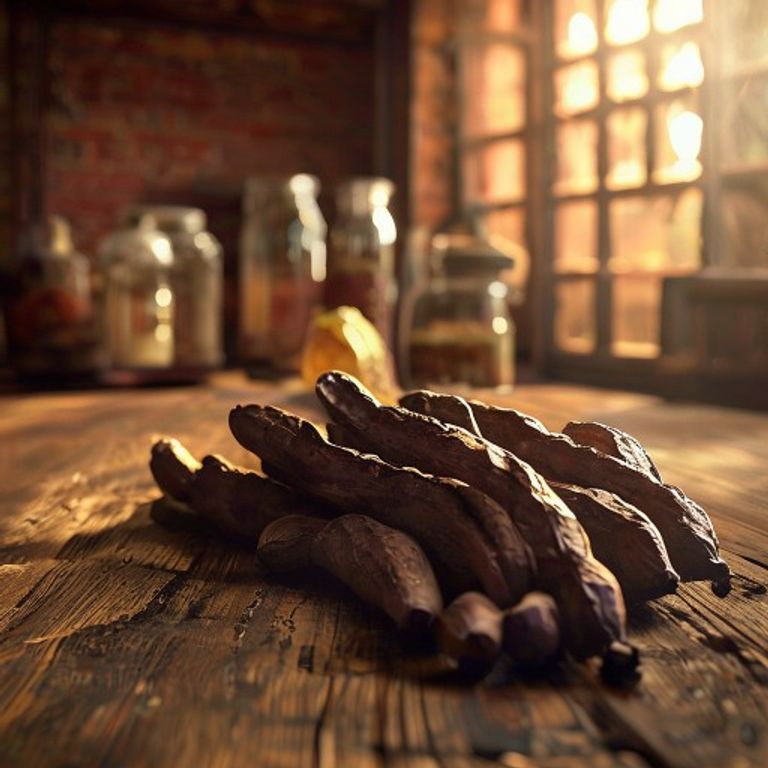
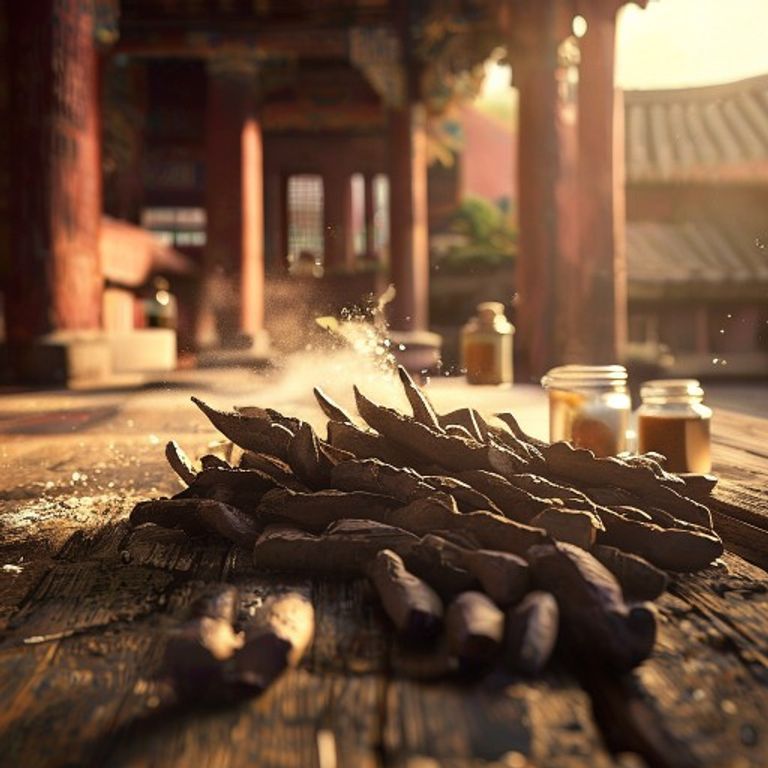
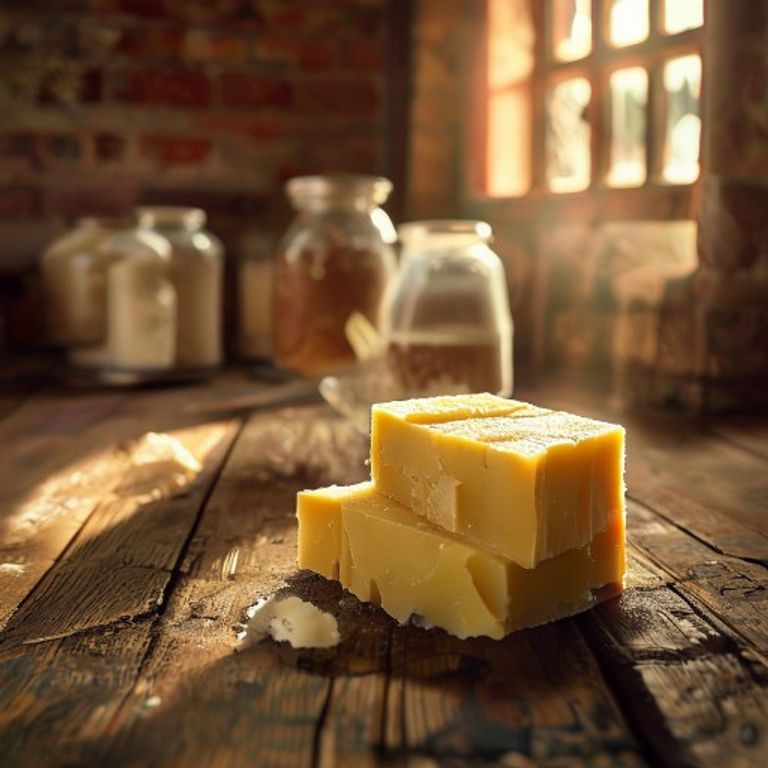
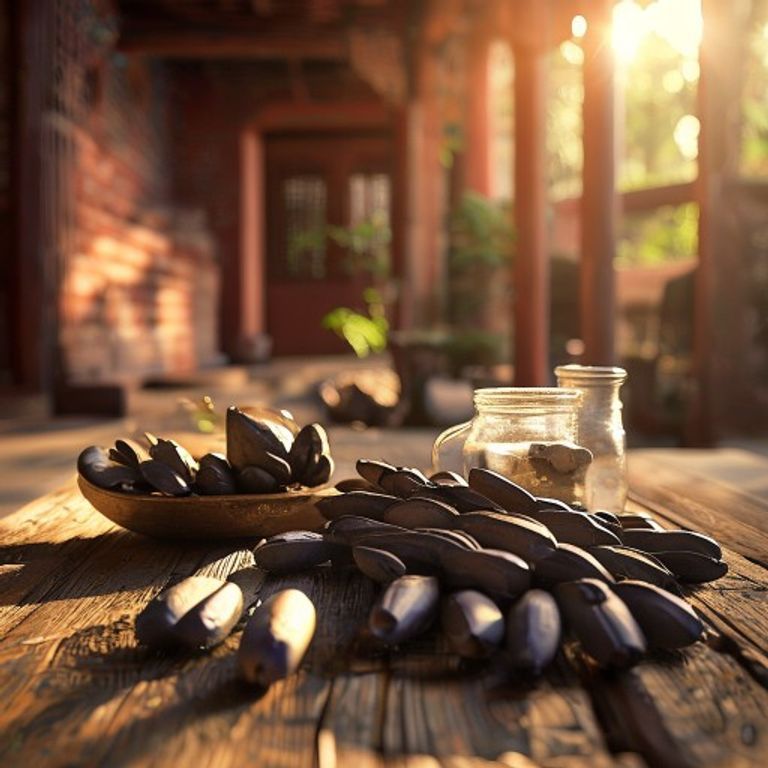
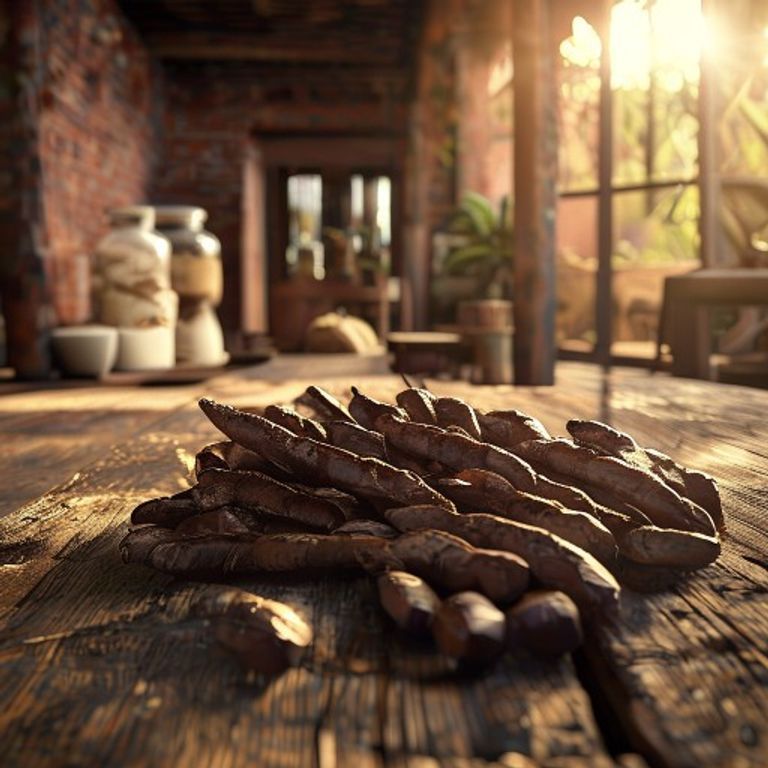
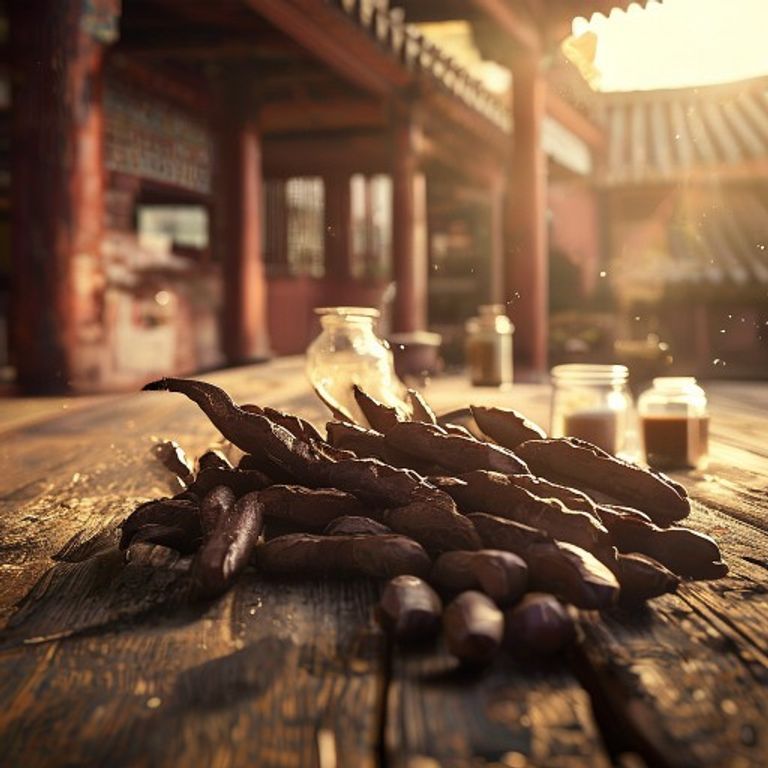
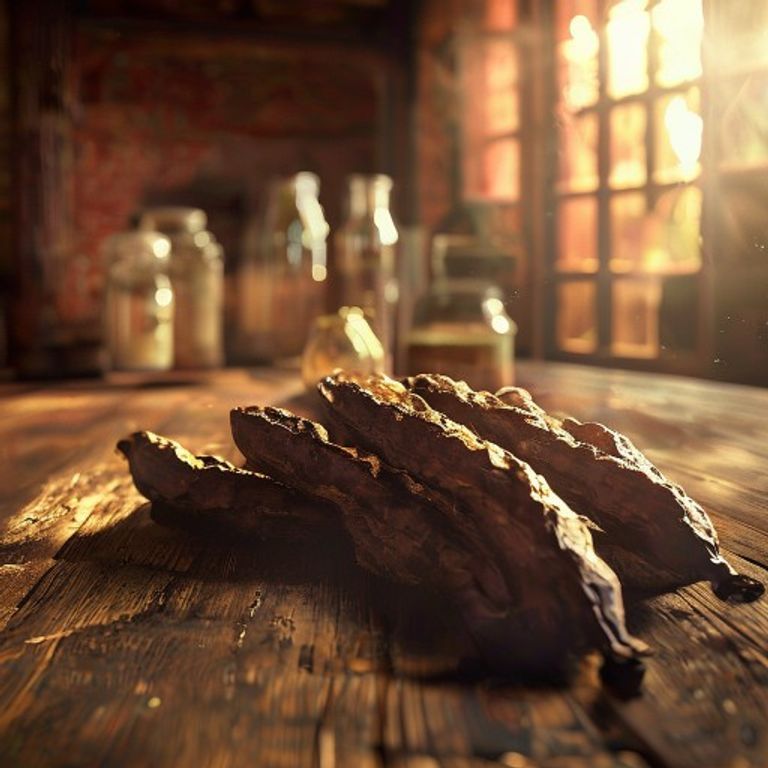
在彰化這座被歲月溫潤的三合院裡,陽光透過老窗格,將光影斑駁地灑在厚實的紅磚牆上。我輕輕拿起一根馬達加斯加香草莢,指尖感受到它飽滿而油潤的質地,輕輕一嗅,那股溫暖、甜美而又帶有木質與煙燻底蘊的芬芳,瞬間盈滿整個空間。這不僅僅是一種香料,它是大自然的贈禮,是甜點的靈魂,也是「花的丘」對純粹風味的堅持與探究的起點。
In this time-honored Sanheyuan in Changhua, sunlight filters through ancient window lattices, casting dappled shadows on the thick red brick walls. I gently pick up a Madagascar vanilla bean, feeling its plump, oily texture between my fingertips. A soft inhale immediately fills the space with its warm, sweet, woody, and smoky undertones. More than just a spice, it is a gift from nature, the very soul of desserts, and the starting point for “Hua Zhi Qiu’s” relentless pursuit of pure flavor.
一、 香草的起源與淬鍊:馬達加斯加的黑色黃金
馬達加斯加的波本香草莢,是全球公認的頂級香料。這種珍貴的香草並非天生自帶芬芳,而是歷經了漫長而精細的「淬鍊」過程。從墨西哥引進的香草蘭,在馬達加斯加肥沃的土壤與獨特的氣候中茁壯成長。每一朵蘭花都必須在清晨短暫的開花時間內,由人工進行授粉——這是一項極其耗時且精細的工藝。授粉成功後,豆莢需要數月才能成熟,隨後便進入了最關鍵的「發酵與乾燥」環節。豆莢會被反覆曝曬、蒸軟、再置於陰涼處發酵,這個過程可能長達數月,讓豆莢中的酶逐漸將無味的配醣體轉化為我們所熟知的香草醛(Vanillin)及數百種其他芳香化合物。最終,我們得到的是一根根黝黑油亮、香氣層次豐富的「黑色黃金」。
Madagascar Bourbon vanilla beans are globally recognized as a premium spice. This precious vanilla isn’t born with its fragrance; rather, it undergoes a lengthy and meticulous
In the afternoon of the Sanheyuan, sunlight filters through the lattice windows, casting fragmented shadows on the red brick walls. Sitting at the wooden table, my fingertips gently touch the freshly opened Madagascar vanilla beans; that oily, plump texture feels like holding a piece of preserved tropical time. As I carefully slice open the pod with a small knife, a rich, woody aroma instantly unfolds in the air of the old house, filling this serene space with a warm, sweet embrace.
Vanilla (Vanilla planifolia) is not merely a seasoning, but an orchid species exquisitely sensitive to its environment. The soil and climate of Madagascar bestow its beans with the classic “Bourbon aroma”—a complex blend of creaminess, mellow wood, and deep sweetness. Unlike synthetic vanilla extract, natural vanilla beans contain over 200 aromatic compounds. The core “vanillin” only transforms into a multi-layered, elegant fragrance through a slow curing process lasting several months.
In the laboratory, I observe the performance of vanilla beans at different temperatures. Vanillin is lipophilic, meaning that when we infuse vanilla seeds into high-quality cultured butter or heavy cream, the fats effectively capture and lock in these aromatic molecules. During the heating process, the fragrance is released slowly as the temperature rises, combining with the emulsified state of egg yolks to create a mellow and lingering flavorful foundation. This is not merely a layering of tastes, but a fusion at the molecular level, allowing the aroma to ascend gently from the palate to the nasal cavity the moment the dessert touches the tongue.
When discussing the ultimate application of vanilla, French Vanilla Profiteroles are an indispensable chapter. In the pure vanilla filling, the bean is no longer a supporting actor but the absolute protagonist. High-quality vanilla seeds appear intermittently within the silky white custard, like stars dotting a night sky. As the warm pastry shell and the chilled, rich vanilla filling merge in the mouth, the purity of sweetness and the depth of aroma elevate the simplest ingredients to a sacred realm. This proves that true luxury often stems from an ultimate respect for a single, premium ingredient.
During my early days at “Breadcrumb Handmade House,” I experimented with various convenient vanilla substitutes, but I always felt a lacking “weight of the soul.” It wasn’t until I insisted on using whole vanilla beans and hand-scraping every tiny black seed that I realized the meaning of cooking lies in those seemingly tedious steps—from precisely controlling heating temperatures to patiently waiting for the aroma to permeate. Once, I tried combining vanilla with salt crystals from different regions and was surprised to find that trace minerals could push the sweetness of vanilla to another peak. At that moment, I felt not only a shock to my taste buds but a profound reverence for the divine craftsmanship of nature.
Within the red brick walls of the Sanheyuan, time seems to move slower than in the outside world. I firmly believe that the best desserts do not require complex embellishments, but rather an excavation of the essence of the ingredients. The curing of a vanilla bean requires time, and our perception of flavor requires time as well.
不急,不趕。好食材需要時間在靜謐中沉澱。等一切就緒,那份純粹自然會在舌尖綻放,化作最溫柔的慰藉。
No rush, no hurry. Great ingredients need time to settle in tranquility. When everything is ready, that purity will naturally bloom on the palate, transforming into the gentlest of comforts.
彰化三合院的清晨,陽光穿透老屋的木窗櫺,溫柔地灑落在我的工作檯上。我輕輕拆開法國發酵奶油的包裝,那乳黃色的油脂散發著淡淡的榛果與乳酸香氣,觸手微涼而富有彈性。這不只是一塊奶油,它是風土、時間與工藝的結晶,也是「花的丘」甜點實驗室裡,無數美味故事的開端。In the quiet dawn of the Sanheyuan in Changhua, sunlight streams gently through the wooden lattice of the old house, illuminating my workbench. I carefully unwrap the French cultured butter, its golden-yellow richness emanating a subtle aroma of hazelnut and lactic acid, cool and pliable to the touch. This is more than just a block of butter; it is the culmination of terroir, time, and craftsmanship, and the beginning of countless delicious stories at “Hua’s Hill” dessert laboratory.## 一、 發酵奶油的奧秘:從乳酸菌到醇厚風味的轉化法國發酵奶油的獨特之處,在於其精妙的「乳酸發酵」過程。乳酸菌將乳脂中的乳糖轉化為乳酸,並產生雙乙醯、乳酮等風味化合物,賦予奶油堅果、微酸且層次豐富的獨特香氣,以及更低的pH值。這種發酵不僅提升了風味複雜度,也讓奶油質地更柔軟、延展性更好,對酥皮點心至關重要。## The Secret of Cultured Butter: From Lactic Acid Bacteria to Mellow Flavor TransformationThe uniqueness of French cultured butter lies in its exquisite “lactic fermentation” process. Lactic acid bacteria convert lactose in milk fat into lactic acid, producing flavor compounds like diacetyl and lactones, which impart the butter’s distinctive nutty, slightly tangy, and richly layered aroma, along with a lower pH. This fermentation not only enhances flavor complexity but also makes the butter softer and more pliable, crucial for laminated pastries.## 二、 烘焙中的魔法:油脂的乳化與層次的賦予在烘焙中,發酵奶油是結構與質地的魔法師。其較高熔點和優異延展性,使其成為製作法式可頌、千層派等酥皮點心的理想選擇。烘烤時,奶油中的水分產生蒸汽,撐開麵團層,形成輕盈酥脆的層次。同時,發酵奶油穩定的乳化狀態,透過打發將空氣均勻裹入麵糊,賦予蛋糕濕潤綿密的口感。豐富乳脂含量在高溫下參與梅納反應,帶來誘人金黃色澤與焦糖香氣。## Magic in Baking: Emulsification of Fats and the Imparting of LayersIn baking, cultured butter is a magician of structure and texture. Its higher melting point and excellent pliability make it ideal for laminated pastries like French croissants and mille-feuille. During baking, water in the butter generates steam, separating dough layers to create light, crispy strata. Concurrently, cultured butter’s stable emulsification, when creamed, incorporates air evenly into batter, giving cakes a moist, tender crumb. Its rich milk fat content participates in the Maillard reaction at high temperatures, imparting an alluring golden hue and caramelized aroma.## 三、 經典甜點的演繹:法式可頌與國王派的靈魂發酵奶油在經典甜點中的極致運用,法式可頌與國王派是最佳代表。一枚完美可頌,外層金黃酥脆,內裡柔軟濕潤,蜂窩狀組織層次分明,充滿濃郁奶油香氣。高品質發酵奶油賦予可頌獨特的「奶油味」,而非單純「油味」,那微酸醇厚風味讓層次感更豐富。國王派的千層酥皮與杏仁奶油餡,都離不開發酵奶油的香氣與酥脆層次,將簡單食材提升至藝術境界。## The Interpretation of Classic Desserts: The Soul of French Croissants and Galette des RoisFor the ultimate application of cultured butter in classic desserts, French Croissants and Galette des Rois are prime examples. A perfect croissant boasts a golden, crispy exterior, soft, moist interior, and distinct honeycomb layers, bursting with rich butter aroma. High-quality cultured butter imparts a unique “buttery flavor” to the croissant, not just an “oily taste”; its slightly tangy, mellow flavor enriches the layered texture. Both the flaky pastry and almond cream (Frangipane) of Galette des Rois are inseparable from cultured butter’s aroma and crispy layers, elevating simple ingredients to an art form.## 四、 料理人對食材的感動與說明身為「花的丘」創辦人,我深知尋找頂級食材的艱辛。在台灣,要找到符合法國傳統工藝、風味純粹的發酵奶油並不容易。我曾多次親訪供應商,研究乳源特性,只為確保每塊奶油達到我們實驗室的嚴苛標準。當我將這份法國發酵奶油融入麵團,看著它延展、塑形,聞著烘烤時滿室芬芳,那感動難以言喻。它不僅是原料,更是連結風土與人情的橋樑。它讓我的甜點有了靈魂,讓品嚐者感受到大自然的饋贈與料理人對細節的堅持。這份堅持,是「麵包屑手作屋」無添加理念的延續,也是「花的丘」實驗精神的體現。## A Chef’s Emotion and Explanation for IngredientsAs the founder of “Hua’s Hill,” I deeply understand the arduous task of sourcing premium ingredients. In Taiwan, finding cultured butter that truly adheres to traditional French craftsmanship and possesses pure flavor is no easy feat. I have personally visited suppliers multiple times, researching milk source characteristics, solely to ensure every block of butter meets our laboratory’s stringent standards. The first time I incorporated this French cultured butter into dough, watching it stretch and shape, and smelling the room-filling aroma during baking, the emotion was indescribable. It is not merely an ingredient; it is a bridge connecting terroir and human sentiment. It gives my desserts a soul, allowing those who taste them to feel nature’s gift and the chef’s unwavering commitment to detail. This commitment is a continuation of the additive-free philosophy from “Breadcrumbs Handmade House” and an embodiment of the experimental spirit of “Hua’s Hill.”## 結語:時間的藝術與純粹的等待在「花的丘」古宅工作室,每份甜點誕生都是對時間與自然的致敬。發酵奶油的醇厚是時間沉澱,層次酥脆是精準工藝與耐心等待的結晶。我們深信,真正的美味從不速成。它需要用心感受食材生命力,用雙手轉化,用時間醞釀。不急,不趕。好食材需要時間去熟成、去發酵、去展現它最純粹的風味。等一切就緒,那份純粹自然會透過甜點,溫柔地訴說著風土的故事與料理人的心意。## Conclusion: The Art of Time and the Purity of WaitingIn the ancient house studio of “Hua’s Hill,” every dessert’s birth is an homage to time and nature. The mellow depth of cultured butter is time’s sedimentation; the flaky, crispy texture is the crystallization of precise craftsmanship and patient waiting. We firmly believe that true deliciousness is never rushed. It requires us to feel the vitality of ingredients with our hearts, transform them with our hands, and allow time to nurture them.No rush, no haste. Good ingredients need time to mature, to ferment, to reveal their purest flavor. When all is ready, that purity will naturally, through our desserts, gently narrate the story of the terroir and the chef’s heartfelt intention.
In the afternoon, sunlight slants across the red brick walls of the Sanheyuan, tinting the air within the studio with a warm golden hue. My fingertips gently touch a deep brown vanilla bean, feeling its slightly resilient texture after drying. Inside the glass jars, this “black gold” from a distant island quietly exudes a profound and warm aroma, reminiscent of a forest’s breath after rain, or the tenderness of frozen time. From the “Breadcrumb Handmade House” to the current “Hills of Flowers,” the pursuit of ingredients has never ceased, and vanilla has always been the benchmark of “purity” in my heart.
True vanilla flavor can never be compared to artificial essences. I choose Bourbon Vanilla from Madagascar because the terroir imparts a rich, creamy sweetness and a mellow woody note. Every bean undergoes a long process of “killing” and “curing”: after being scalded in hot water, they are shade-dried and sun-dried for several months, allowing vanillin to gradually accumulate through a slow chemical reaction. This meticulous process transforms the bean from green and raw to deep and complex, with every tiny black seed enveloping a highly concentrated essence of aroma.
In the laboratory, I observe the performance of vanilla at different temperatures. Vanillin is a highly penetrating molecule; it not only enhances the layers of a dessert but also acts as a “taste bridge,” perfectly blending the richness of fats with the sweetness of sugars. When I stir vanilla seeds into cold heavy cream or heated milk, the fat molecules capture and lock in these aromatic molecules, creating an extremely stable emulsion. This is why, when making mousse or custard, adding natural vanilla beans makes the texture rounder, allowing the taste to unfold as a gentle procession on the tongue.
To explore the ultimate use of vanilla, one must mention the French Vanilla Mille-feuille. In this dessert, vanilla is no longer a supporting actor but the absolute protagonist. Between the layers of crisp puff pastry lies a rich Crème Diplomate, simmered with natural vanilla beans. As you cut through the dessert and see those tiny black vanilla seeds scattered in the creamy white filling, it is the purest form of visual aesthetics. The mellow nature of vanilla neutralizes the heaviness of the cream, bringing an elegant sense of balance to every bite, sublimating simple ingredients into an art form.
On the road to pursuing the perfect vanilla flavor, I have tried ingredients from many different regions and felt disappointed by industrially extracted essences. What broke my heart most was that sometimes, even after purchasing expensive beans, if handled improperly or stored in the wrong environment, that soulful aroma would vanish rapidly. I remember once, while adjusting a cake base, I insisted on splitting the bean, scraping the seeds by hand, and mixing them with sugar. After several days of resting, I discovered that the deep, warm sweetness was incredibly captivating. At that moment, I realized that a chef’s reverence for ingredients lies in the willingness to spend time waiting for them to reveal themselves, rather than forcing them to comply.
In this fast-paced era, we are accustomed to instant gratification, but true culinary delights never take shortcuts. Whether it is the sunlight waiting patiently in the Sanheyuan or the aroma slowly releasing from a vanilla bean, they all tell me: beautiful things often require the precipitation of time.
No rush, no hurry. Good ingredients need time to mature in the mellow air. When everything is ready, that purity will naturally bloom on the tongue, transforming into the gentlest of comforts.
Sunlight streams through the old wooden window frames, bathing the thick red brick walls and gently awakening the slumbering Madagascar vanilla beans in their glass jar. They are dark, lustrous, and exude a warm, complex aroma—a miracle brewed by earth, sun, and time. At “Hana no Oka” Dessert Lab, we’ve always believed that the purest deliciousness originates from the most primal emotions, and this emotion often lies hidden within seemingly ordinary ingredients.
Madagascar, the enigmatic island in the Indian Ocean, with its unique tropical rainforest climate and fertile soil, has become the world’s primary source of vanilla beans, especially renowned for “Bourbon Vanilla.” Vanilla planifolia is a climbing orchid with flowers that last only a few hours. This means every precious bean must be hand-pollinated by local farmers in the early morning—a ritual known as “mariage” that marks the beginning of the bean’s life. After growing for several months, the pods are harvested and undergo a critical curing process: blanching in hot water, sun-drying, sweating overnight, and months of aging in cool shade. This transforms tasteless glucovanillin into the beloved vanillin and hundreds of other aromatic compounds, granting the bean its profound and rich flavor profile.
In the science of baking, vanilla is more than just a synonym for “sweetness”; it acts as a gentle mediator. Vanillin is highly volatile, and when combined with fats (such as butter or heavy cream), it locks the aroma within fat molecules through emulsification, allowing the flavor to release slowly on the palate rather than all at once. Furthermore, vanilla effectively neutralizes the eggy scent of batters and, during high-temperature baking, works with sugars in the Maillard reaction to add depth to the flavor profile. As we slowly scrape the seeds into the batter, those tiny black specks are not only visual proof of purity but also triggers for chemical reactions, making the cake’s structure feel more rounded and cohesive under the embrace of the aroma.
To explore the ultimate application of vanilla, the French Vanilla Tart (Tarte Vanille) serves as a perfect example. In this dessert, vanilla is no longer a supporting actor but the absolute protagonist. Premium Madagascar vanilla beans are infused into warm heavy cream through a long, low-temperature extraction process, allowing the woody notes of the vanilla to merge seamlessly with the creamy richness. When this dense vanilla custard is poured into a crisp tart shell, every bite allows the vanilla seeds to dance on the tongue, elevating simple sweetness into a profound sense of forest-like depth. This is the power of ingredient purity—without the need for complex additives, the depth of a single premium ingredient can construct a mesmerizing layer of taste.
Recalling the early years of my pursuit of “additive-free” baking, I experimented with many commercial vanilla extracts, but they always lacked that soul-stirring warmth. It wasn’t until I first sliced open a premium Madagascar vanilla bean in my studio, seeing the glistening black-pearl-like seeds and smelling the rich, slightly boozy aroma, that I realized industrial extraction could never replace the maturation of time. Selecting vanilla beans is a form of discipline; I must search through thousands of batches to find the perfect ones—those with ideal moisture, plump flesh, and a non-linear aroma. Every time I compare flavors from different regions under the sunlight of the Sanheyuan, it is an act of reverence toward nature. When I see the surprise and satisfaction in a customer’s eyes as they taste the cake, I know that all the persistence and pickiness were worth it.
In the fast-paced modern world, we are accustomed to instant gratification, but true deliciousness never takes shortcuts. From the rainforests of Madagascar to the red brick walls of Changhua, the vanilla bean travels across mountains and seas, only to bloom into its purest aroma at the final moment. No rush, no hurry. Great ingredients need time to mature in serenity. When everything is ready, that purity will naturally tell you a story of earth and heart through your taste buds.
The afternoon sunlight leans diagonally against the red brick walls of the Sanheyuan, tinting the atmosphere of the studio in a golden hue. I gently open a Madagascar vanilla bean, my fingertips feeling its leather-like resilience, as a rich, warm, and slightly woody aroma slowly diffuses into the air. This is more than just a seasoning; it is a distillation of time.
Vanilla beans are not fruits found everywhere; they undergo an incredibly tedious process of cultivation and curing in the tropical rainforests of Madagascar. From manual pollination to months of drying and fermentation, the vanillin within the seeds transforms from a simple sweetness into a complex, layered aroma through slow oxidation. For “The Hill of Flowers,” choosing natural vanilla beans over synthetic essences is because we pursue a “sense of life” that resonates with butter and eggs.
On a scientific level, vanilla does more than just “mask” the smell of eggs. Vanillin has a powerful flavor-enhancing effect; it binds with fats (such as butter), using emulsification to wrap aroma molecules within fat globules, which extends the flavor’s lingering presence on the palate. When we fold vanilla seeds into a cake base, these tiny black specks continuously release fragrance during heating, intertwining with the Maillard reaction of proteins to create a deep and mellow gustatory foundation.
To discuss the ultimate use of vanilla, the filling (Crème Pâtissière) of a French Vanilla Choux is a prime example. As thick milk and egg yolks merge, infusing a whole vanilla bean allows the aroma to slowly permeate through slow simmering. When you bite through the golden, crisp shell, that pure and noble vanilla scent blooms on the tip of your tongue; it is no longer a supporting actor, but the element that defines the elegance of the entire dessert. This purity elevates simple ingredients into a form of art.
During my early days at “Breadcrumb Handmade House,” I tried many commercial vanilla pastes, but always felt something was missing—a certain “soul.” It wasn’t until I began studying the curing degree of raw beans that I discovered, through repeated experimentation, that different batches of vanilla beans exhibit vastly different personalities under temperature control: some lean toward smokiness, others like dried apricots. What moves me most is the sense of awe for nature as I scrape the black seeds one by one into the batter—this small pod traveled across half the globe just to bring a moment of serenity to the taster in my Sanheyuan studio.
On the road to pursuing ultimate culinary excellence, we don’t need speed; we only need correctness. The allure of vanilla lies in the fact that it cannot be rushed. It needs time to cure, temperature to awaken, and patience to wait for its fusion with other ingredients in the oven.
不急,不趕。好食材需要時間在靜謐中熟成。等一切就緒,那份純粹自然會在舌尖緩緩流淌。
No rush, no hurry. Fine ingredients need time to mature in tranquility. When everything is ready, that purity will naturally flow slowly across the palate.
In the afternoon, sunlight slices through the red brick walls of the Sanheyuan, tinting the tiny dust particles in the air to gold. I gently open a sealed glass tube containing vanilla beans from Madagascar. As my fingertips touch that nearly black, oily texture, a deep, warm, woody sweetness instantly diffuses through the silence of the old house. This aroma is the ultimate purity I strive for in the “Hills of Flowers” laboratory.
Vanilla is not a simple seasoning, but a highly complex organic compound. Madagascar vanilla (Vanilla planifolia) is hailed as the “black gold” of the baking world due to its unique terroir. The climate and soil here bestow the pods with a high concentration of vanillin, accompanied by subtle notes of cream and tobacco. However, the true flavor comes from a lengthy “curing” process: after harvest, the pods must undergo blanching, sweating, and several months of shading to allow the internal chemical components to transform into a multi-layered aroma through slow oxidation.
In the laboratory, I am always exploring how vanilla resonates with other ingredients. The seeds within the pods contain hundreds of volatile compounds; when they encounter fats (such as cultured butter), the fats capture these aroma molecules, preventing them from evaporating too quickly during baking. Furthermore, when vanilla combines with proteins like eggs and milk, a wonderful emulsification effect occurs, transforming the sweetness from simple to a warm, velvety depth. This chemical synergy elevates the overall flavor profile of a cake from merely “sweet” to “elegant.”
If we are to discuss the ultimate application of vanilla, the French Mille-feuille is a perfect example. The core of this dessert lies in the layers of puff pastry and the filling of vanilla Crème Diplomate. Here, vanilla is not a supporting actor, but the soul. Seeds from premium pods are scattered throughout the creamy white custard like tiny black pearls. The moment the tongue touches the cream, the warmth of the vanilla precedes the sweetness, neutralizing the richness of the pastry and orchestrating a dance of forest and cream in the mouth.
During my time at “Breadcrumb Handmade House,” I tried using commercial vanilla extracts, but that chemically synthesized, one-dimensional sweetness always felt hollow. It wasn’t until I decided to establish this laboratory in the Sanheyuan and begin comparing vanilla from different regions. I remember the shock of first slicing open a high-quality pod and seeing those tiny seeds flow out—a gift from nature refined by time. Selecting vanilla beans is incredibly difficult; one must find a balance between moisture content, gloss, and aroma density; a single mistake in temperature control can ruin an entire batch. Yet, seeing those natural black specks in the finished cake, I know that this insistence on purity allows the taster to experience an unmasked truth.
Beside the red brick walls of the old house, I have learned to wait. Whether it is the curing of vanilla or the fermentation of a cake, all beautiful things refuse to be rushed. What we pursue in the laboratory is, in essence, a heart of reverence for nature.
No rush, no hurry. Great ingredients need time to ripen in tranquility, allowing the aroma to settle through the years. When everything is ready, that purity will naturally bloom on the palate, gently telling you the story of the earth and time.
Sunlight slants across the red brick walls of the Sanheyuan. My fingertips gently touch the newly unpacked vanilla beans; that moist, glossy texture feels like holding a piece of frozen time. Amidst the interplay of glass jars, the tropical breeze of Madagascar seems to cross the ocean, quietly unfolding within this ancient space. This is not merely a seasoning, but an experiment in patience.
Madagascar vanilla beans are hailed as “Black Gold,” prized for their high concentration of vanillin. Unlike synthetic vanilla extracts, natural beans undergo a meticulous process of “killing” and “curing.” From the blanching after harvest to slow fermentation in a warm environment, hundreds of aromatic compounds gradually form, granting the beans a mellow creamy scent with a subtle hint of smokiness.
In the laboratory, I observe the magical role vanilla plays during the heating process. Vanilla is not just an addition of flavor; it serves as a crucial “taste balancer.” When vanilla seeds combine with fats (such as butter or heavy cream) under high temperatures, its fat-soluble aromatic molecules emulsify more effectively with the lipids, transforming cloying sweetness into a rich, multi-layered warmth. Furthermore, the aroma of vanilla enhances the freshness of dairy and eggs, making the overall flavor structure of the cake more three-dimensional.
To explore the ultimate application of vanilla, one must look at the French Vanilla Choux au Craquelin. Beneath the light, crackly crust, the Vanilla Diplomat Cream filling is the soul of the dessert. As pure Madagascar vanilla seeds are finely dispersed within the cream, every bite reveals tiny black specks—the raw imprints of nature. Here, vanilla is no longer a supporting actor; it defines the depth of the entire dessert, elevating simple sweetness into an elegant sensory experience.
In the early days of “Breadcrumb Handmade House,” I experimented with vanilla from various countries, but I was always searching for a purity that brings peace to the heart. The hardest part of selecting vanilla beans is distinguishing “maturity” from “moisture content.” Beans that are too dry lose their soul, while those too moist can develop off-flavors. I remember the excitement I felt when I first found a perfectly cured batch, exuding a rich aroma of honey and cream; it left me unsettled for a long time under the sunlight of the Sanheyuan. Choosing such an ingredient is like searching for a kindred spirit—it requires time to observe and warmth to feel.
Every vanilla bean carries the tropical sunlight and a long period of waiting. On the path to culinary perfection, we are often eager for results, but true depth always comes from processes that cannot be accelerated.
不急,不趕。好食材需要時間在靜謐中熟成。等一切就緒,那份純粹自然會在味蕾上綻放。
No rush, no hurry. Fine ingredients need time to ripen in serenity. When everything is ready, that purity will naturally bloom upon the taste buds.
Afternoon sunlight bathes the Sanheyuan’s red brick walls, filling the air with a woody scent. I gently open the glass jar, revealing glossy, dark Madagascar vanilla beans. Touching them, I feel their leather-like resilience and rich oiliness. This aroma feels like a memory gently sealed by time, not artificially created.
Vanilla is more than a condiment; it’s a test of patience. Madagascar’s Bourbon vanilla thrives in specific tropical climates. After harvest, pods undergo “killing” (blanching) and months of “curing.” In warmth, chemical transformations within the pod convert precursors into vanillin, crucial for desserts’ warm, deep, and layered aroma.
In the lab, I’m fascinated by vanilla’s interaction with fats. Most vanilla aroma molecules are fat-soluble; when seeds are folded into high-fat butter or cream, fats sponge up and lock in these scents. During heating, thermal energy activates vanillin molecules, synergizing with egg and milk proteins, creating a visually warm, olfactorily layered cake, avoiding simple sugar’s cloying sweetness.
For vanilla’s ultimate use, French Profiteroles are essential. Light, crisp choux pastry filled with Diplomat Cream infused with Madagascar vanilla beans. Vanilla here is the absolute protagonist. Rich vanilla seeds disperse on the tongue, emulsifying with chilled cream, their deep, woody sweetness instantly elevating the dessert’s elegance, transforming simple flour and eggs into art.
Transitioning from “Breadcrumb Handmade House” to “Hana no Oka,” I tried many expensive vanilla extracts, but only real vanilla beans resonated with my soul. The hardest part was “comparison”: vanilla from different years and regions has vastly different aromatic breadths. I recall first folding hand-scraped seeds into cake batter, seeing tiny black specks evenly distributed, realizing true luxury is respect and persistence for an ingredient’s raw form, not its price.
Great desserts are a game of time. We await wheat fermentation, butter emulsification, and vanilla’s deepest aroma to settle over years. No rush, no hurry. Good ingredients need time to draw nutrients, to ripen slowly in darkness. When ready, that purity will naturally bloom on the palate, becoming the gentlest solace.
在彰化這座古樸的三合院工作室裡,陽光輕輕灑落在斑駁的紅磚牆與層疊的木架上。我的指尖輕輕拂過一束深褐色的香草莢,它們沉靜地躺在玻璃罐中,散發著一股複雜而迷人的芬芳。那不是單純的甜,而是帶著木質、菸草與焦糖的層次,像是時間與土地共同編織的詩篇。每一次呼吸,都彷彿能聞到馬達加斯加島上濕潤的熱帶氣息,那是我們「花的丘」甜點實驗室,尋找純粹風味的起點。
In this quaint Sanheyuan studio in Changhua, sunlight gently cascades onto the weathered red brick walls and layered wooden shelves. My fingertips delicately trace a bundle of deep brown vanilla beans, resting serenely in a glass jar, emanating a complex yet captivating fragrance. It’s not merely sweet, but layered with notes of wood, tobacco, and caramel, like a poem woven by time and earth. With every breath, I can almost smell the humid tropical air of Madagascar, the starting point of our “Hua Zhi Qiu” dessert lab’s quest for pure flavor.
一、 波本香草的秘密:從蘭花到風味的漫長旅程
I. The Secret of Bourbon Vanilla: A Long Journey from Orchid to Flavor
我們選擇的,是來自馬達加斯加島的波本香草莢。這個名字,並非來自波本威士忌,而是源於留尼旺島(Réunion Island)的舊稱——波本島,那裡是香草蘭引進並成功人工授粉的發源地。香草蘭,學名 Vanilla planifolia,是唯一結果實的蘭花。它的生長需要溫暖潮濕的熱帶氣候,而馬達加斯加東北部的薩瓦區,正是其理想的家園。每一根香草莢的誕生,都經歷了繁瑣的手工授粉、採摘、殺青、日曬、風乾與熟成等數十道工序,歷時數月。這漫長的熟成過程,讓香草莢內部數百種芳香化合物得以緩慢發展與交織,最終凝聚成那獨一無二的深邃香氣。
We choose Bourbon vanilla beans from Madagascar. This name doesn’t come from Bourbon whiskey, but from the former name of Réunion Island—Île Bourbon—where the vanilla orchid was first introduced and successfully hand-pollinated. The vanilla orchid, Vanilla planifolia, is the only orchid that produces fruit. It requires a warm, humid tropical climate, and the SAVA region in northeastern Madagascar is its ideal home. The birth of each vanilla bean involves dozens of intricate steps: manual pollination, harvesting, blanching, sun-drying, air-drying, and curing, spanning several months. This lengthy curing process allows hundreds of aromatic compounds within the vanilla bean to slowly develop and intertwine, ultimately coalescing into that unique, profound aroma.
二、 烘焙中的感官魔法:香草醛與風味的層次
II. Sensory Magic in Baking: Vanillin and Layers of Flavor
香草莢的魔力,主要來自其核心成分——香草醛(Vanillin),這是一種酚類醛,賦予了香草經典的甜美、奶油般的氣息。然而,馬達加斯加香草莢的魅力遠不止於此。除了香草醛,它還含有數百種微量芳香分子,如香草酸、丁香酚、乙酸香草酯等,這些複雜的化合物共同作用,創造出香草獨特的層次感與深度。在烘焙中,當香草莢被剖開、刮出籽粒,或將整根香草莢浸入熱牛奶、奶油中時,這些芳香分子會緩慢釋放,與甜點中的脂肪和糖分結合,形成穩定的乳化狀態,不僅增添了馥郁的香氣,更能柔化甜點的口感,使風味更加圓潤飽滿。它不僅是香氣的來源,更是風味的放大器,能巧妙地平衡與提升其他食材的風味。
The magic of vanilla beans primarily stems from their core component—vanillin, a phenolic aldehyde that imparts vanilla’s classic sweet, creamy notes. However, the allure of Madagascar vanilla beans extends far beyond this. In addition to vanillin, they contain hundreds of trace aromatic molecules, such as vanillic acid, eugenol, and vanillyl acetate. These complex compounds work synergistically to create vanilla’s unique layers and depth. In baking, when a vanilla bean is split open and its seeds scraped out, or when a whole bean is infused into hot milk or cream, these aromatic molecules are slowly released. They bind with fats and sugars in the dessert, forming a stable emulsion that not only adds a rich aroma but also softens the texture of the dessert, making the flavor more rounded and full-bodied. It is not merely a source of aroma, but a flavor amplifier, subtly balancing and enhancing the flavors of other ingredients.
三、 經典甜點的演繹:法式奶酪布丁 (Crème Brûlée) 的靈魂
III. The Classic Dessert’s Interpretation: The Soul of Crème Brûlée
談到香草的極致運用,法式奶酪布丁(Crème Brûlée)無疑是最佳代表之一。這道經典甜點,以其滑順如絲的奶酪內餡和酥脆焦糖化的表層聞名。而馬達加斯加香草莢,正是賦予其靈魂的關鍵。在製作Crème Brûlée時,將剖開的香草莢與鮮奶油、牛奶一同緩慢加熱,讓其溫柔地釋放出所有香氣。香草籽粒均勻散佈在金黃色的布丁液中,不僅帶來視覺上的美感,更將那醇厚、溫暖的香氣完美融入每一口。當你用湯匙輕敲焦糖表層,發出清脆的碎裂聲,隨之而來的是香草奶酪布丁的柔滑與馥郁,那是一種純粹而深刻的享受,是香草與奶油、雞蛋完美結合的藝術。這道甜點的成功,在於對香草品質的堅持,唯有上乘的香草,才能烘托出其高雅而不膩的風味。
When discussing the ultimate application of vanilla, Crème Brûlée is undoubtedly one of the best examples. This classic dessert is renowned for its silky-smooth custard interior and crisp, caramelized top. And Madagascar vanilla beans are the key to imbuing it with soul. In making Crème Brûlée, split vanilla beans are gently heated with fresh cream and milk, allowing them to softly release all their aromas. The vanilla seeds are evenly dispersed throughout the golden custard, not only providing visual beauty but also perfectly infusing that rich, warm fragrance into every bite. When you gently tap the caramelized surface with a spoon, producing a crisp crackling sound, what follows is the smooth richness of the vanilla custard—a pure and profound pleasure, an artful fusion of vanilla with cream and eggs. The success of this dessert lies in the unwavering commitment to vanilla quality; only superior vanilla can bring forth its elegant yet un-cloying flavor.
四、 料理人對食材的感動與說明
IV. A Chef’s Emotion and Explanation Regarding Ingredients
作為一個料理人,尋找高品質的馬達加斯加香草莢,從來不是一件容易的事。市場上充斥著各種等級和來源的香草,有些是乾燥過度、香氣全失,有些則是用化學香精浸泡,意圖魚目混珠。我的痛點在於,如何確保每一批進貨的香草莢都能維持一致的飽滿度、濕潤度和芳香濃度。這需要長期與可靠的供應商建立信任,並親自檢視每一根香草莢的品質。當我第一次遇到那些油潤、富有彈性,且香氣馥郁的馬達加斯加波本香草莢時,心中的感動難以言喻。它們不僅是食材,更承載著大自然的饋贈與農人的心血。在實驗室裡,當我用鋒利的刀尖輕輕劃開香草莢,刮出裡面細密的黑色籽粒時,那撲鼻而來的醇厚香氣,總是讓我確信,這份堅持是值得的。它讓我的甜點不只是美味,更有了生命與故事。
As a chef, sourcing high-quality Madagascar vanilla beans has never been easy. The market is saturated with vanilla of various grades and origins; some are overly dry and devoid of aroma, while others are soaked in artificial essences, attempting to deceive. My challenge lies in ensuring that every batch of vanilla beans maintains consistent plumpness, moisture, and aromatic intensity. This requires building long-term trust with reliable suppliers and personally inspecting the quality of each vanilla bean. The first time I encountered those oily, supple, and intensely fragrant Madagascar Bourbon vanilla beans, the emotion I felt was indescribable. They are not just ingredients; they carry the bounty of nature and the labor of farmers. In the lab, when I gently slice open a vanilla bean with a sharp knife and scrape out the fine black seeds, the rich aroma that wafts up always reassures me that this persistence is worthwhile. It makes my desserts not just delicious, but imbued with life and stories.
結語:時間的禮讚,香草的純粹
Conclusion: A Tribute to Time, the Purity of Vanilla
在「花的丘」甜點實驗室,我們深信,最好的風味往往來自最純粹的食材與最真摯的心意。馬達加斯加香草莢,以其複雜而深邃的香氣,教會我們時間與耐心的價值。它不是速成的調味,而是需要細心呵護、緩慢釋放其精華的藝術品。不急,不趕。好食材需要時間去熟成、去釋放它最美好的風味。等一切就緒,那份純粹自然會昇華甜點的靈魂,成為品嚐者心中永恆的記憶。
At “Hua Zhi Qiu” dessert lab, we deeply believe that the best flavors often come from the purest ingredients and the most genuine intentions. Madagascar vanilla beans, with their complex and profound aroma, teach us the value of time and patience. It is not a quick flavoring, but an art piece that requires careful nurturing to slowly release its essence. No rush, no haste. Good ingredients need time to mature, to unleash their most beautiful flavors. Once everything is ready, that purity will naturally elevate the soul of the dessert, becoming an eternal memory in the hearts of those who taste it.